

Heat wave drives electricity demand and power prices higher across Europe
 Read NV on Google
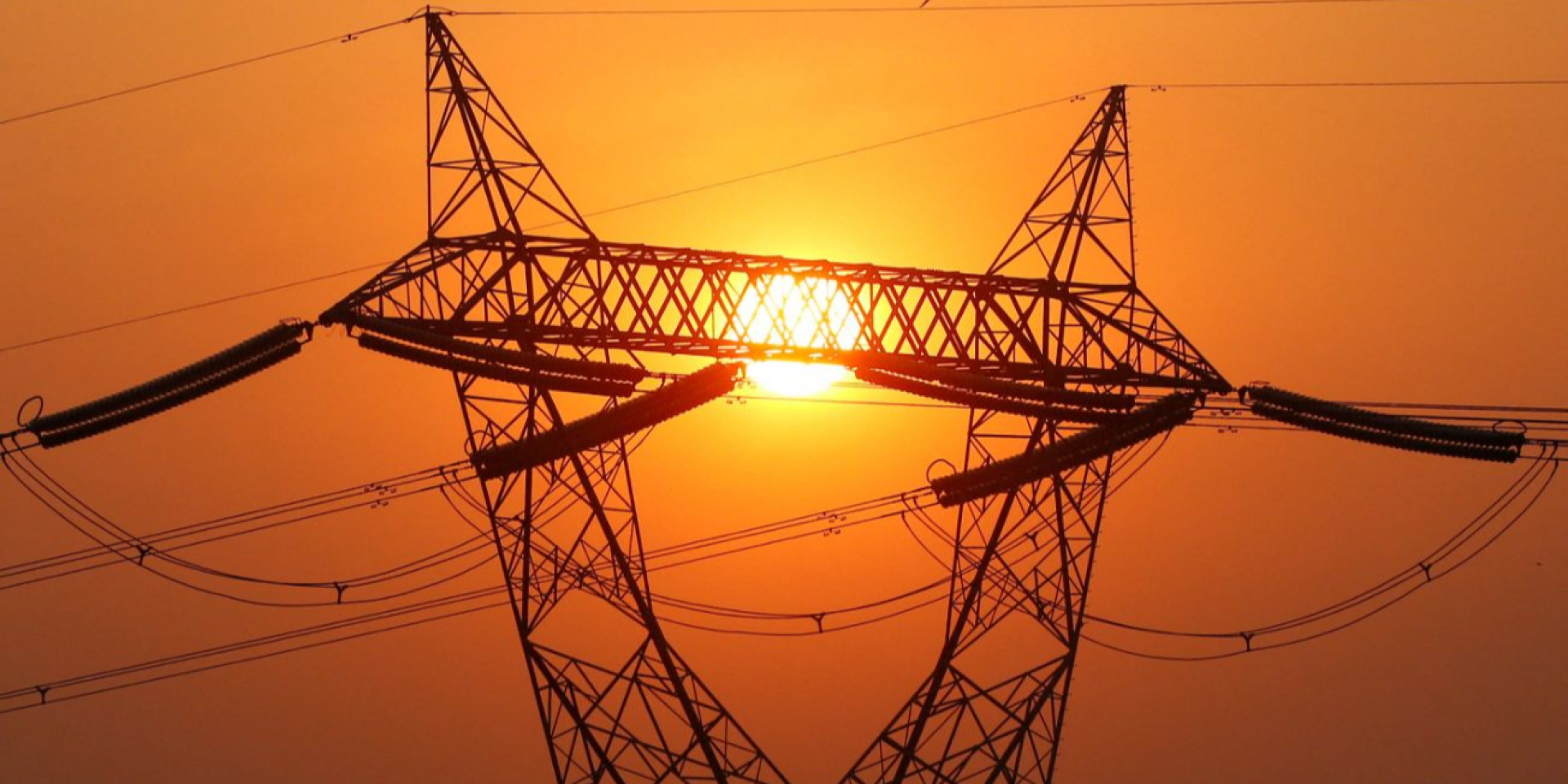
The number of air conditioners in private homes has increased 1.5 times over the past decade (Photo: Reuters)
June's heat wave across Europe drove a sharp rise in electricity demand and wholesale power prices, exposing the growing strain climate change and expanding air conditioning use are placing on the region's energy systems, Euronews reported on July 4.
"As Europe gets hotter, more people are changing their attitude toward air conditioning. Over the past decade, the number of units in private homes has increased by 50%, while annual sales are more than 30% higher than five years ago," IEA analyst Fabian Voswinkel said.
In Germany, temperatures reached 41.7 degrees Celsius (107.1 Fahrenheit) in Koschen on June 28, while France recorded 43.8 C (110.8 F) in Paluel on June 24. Spain experienced its peak heat on June 23-24.
The IEA expects cooling demand to become a significant, though not the primary, driver of electricity consumption, trailing electric vehicles, data centers and heat pumps.
How much did electricity demand increase?
According to Eurelectric, the heat wave drove up electricity demand across the EU's four largest economies. In Germany, consumption rose from 1,267 gigawatt-hours (GWh) on June 11 to 1,396 GWh on June 25. In France, it increased from 1,048 GWh to 1,255 GWh over the same period. Significant increases were also recorded in Italy and Spain, with France posting the largest increase in absolute terms at nearly 20%.
French grid operator RTE estimates that each additional degree Celsius increases electricity demand by 0.7-1 gigawatt, roughly one-third of the impact caused by an equivalent temperature drop in winter. Cooling demand likely accounted for an average daily increase of 10-14 GW in electricity consumption last week.
Wholesale prices surged
Rising demand combined with constrained supply also drove wholesale electricity prices sharply higher. Although most consumers remain protected by fixed-rate contracts, prolonged increases in wholesale prices are likely to feed through to retail electricity bills over time.
According to Eurelectric, wholesale prices peaked on June 23-24, exceeding 200 euros per megawatt-hour (MWh) in Germany, approaching 160 euros/MWh in France and surpassing 110 euros/MWh in Spain.
The price surge was driven by more than just the heat wave. Germany experienced a sharp drop in wind power generation, forcing greater reliance on more expensive gas- and coal-fired plants. At the same time, France, which typically exports low-cost electricity, reduced nuclear generation by 4.1 GW — about 7% of national demand — because river water used to cool reactors became excessively warm.
A new challenge for Europe's power system
The rise in electricity demand and price volatility reflects a broader structural trend: space cooling is becoming an increasingly important component of Europe's energy consumption.
According to Eurostat, household energy use for cooling in the European Union has doubled since 2015. The strongest growth over the past decade has been recorded in France, Germany, Italy and Spain. The trend coincides with increasingly frequent extreme heat waves, from the devastating summer of 2003 and the severe 2022 season to the prolonged heat across southeastern Europe in 2024. Even so, cooling accounted for only 0.8% of the EU's final energy consumption in 2024, highlighting the much lower penetration of air conditioning compared with the United States and Japan.
Is Europe ready?
Voswinkel said Europe's electricity grids should be able to handle rising cooling demand, although resilience will depend on national circumstances.
"The key is energy efficiency and replacing outdated portable cooling units," he said.
Solar generation also plays an important role because peak solar output coincides with peak cooling demand, helping meet additional electricity needs without large-scale energy storage.
Ultimately, future electricity demand will depend on improvements in building efficiency and grid flexibility. Cooling is increasingly becoming a matter of public safety rather than simply one of comfort.
As reported, Ukraine has reintroduced scheduled power outages amid unusually hot weather after suspending them in mid-April. Ukrenergo said widespread air conditioner use has increased electricity consumption by about 25%, while the power system remains constrained by damage from Russian attacks, scheduled maintenance at nuclear power plants and reduced electricity imports from Europe, which is also experiencing record temperatures.
The military war may be swinging in our favor, but the information war continues.
Just as an army needs soldiers, so does a free society need its journalists to ensure that people have access to honest, trustworthy voices to understand the world around them.
For the past five years, The New Voice of Ukraine has been working tirelessly to push back against Russian narratives and defend democracy. But we cannot do it alone.
Please consider supporting us on Patreon for just $5 a month – your donation does directly to supporting journalists and ensuring that this front of the infowar says solid and defended.
Thank you.
Follow us on Twitter, Facebook and Google News
