

High energy prices test U.S. debt and squeeze Ukraine budget
 Read NV on Google

Dragon Capital Deputy Director and Radio NV host Serhii Fursa (Photo: Serhii Kantsyrenko / NV)
Surging oil and gas prices are driving inflation and pushing U.S. bond yields to decade highs, Dragon Capital Deputy Director and Radio NV host Serhii Fursa wrote in an NV analytical column on Sept. 11.
He highlighted that Brent crude trading opened Sept. 11 around $105 per barrel, while the average retail cost of diesel fuel in the United States hit $6 per gallon — a 75% increase since the beginning of the year.
Fursa explained that rising fuel prices are emerging as a principal driver of U.S. inflation expectations, directly eroding the political footing of President Donald Trump.

The oil surge comesamid sustained military confrontation between the United States and Iran. While commercial transit through the Strait of Hormuz continues, acute shipping disruption risks persist amid regional vessel boardings and maritime strikes.
Simultaneously, Saudi Arabian oil extraction has plunged to its lowest level since 1990. Russian crude output is also declining, due in part to Ukrainian long-range strikes.
However, elevated global oil prices more than offset Moscow's volume losses. Broad raw materials markets are hovering at multi-year peaks: copper prices have climbed steeply, while European natural gas prices approached the threshold of $1,000 per thousand cubic meters.
Amid this, the cost of servicing U.S. sovereign debt has spiked sharply. On Sept. 11 morning, 30-year U.S. Treasury yields touched 5.36%, while 10-year yields reached 4.95%.
High American yields reflect elevated inflation expectations and persistent concerns regarding Washington’s swelling budget deficit, with financial markets pricing in a 71% probability of an interest rate hike by the Federal Reserve in October.
Fursa identified waning appetite from foreign institutional investors as an additional drag on U.S. debt. China has reduced its holdings of U.S. Treasuries to a 20-year low, and Norway’s sovereign wealth fund has similarly moved to review its U.S. debt exposure.
Turbulence in debt markets has also spilled into equities. On Sept. 11, the S&P 500 index was poised to open near 7,591.7 points — down roughly 150 points week-on-week.
Paradoxically, emerging-market debt is performing robustly as the yield spread between U.S. debt and higher-risk sovereigns narrows. China can now borrow at lower yields than the U.S. government, Fursa noted.
Ukraine is confronting renewed domestic inflation as well. Annual consumer price growth accelerated to 8.1% in August, up from 7.7% in July, driven primarily by fuel and refined petroleum products.
Meanwhile, the economic shock from Russian strikes on domestic logistics centers and industrial plants has only partially filtered through to retail shelves. The National Bank of Ukraine estimates that warehouse devastation could add roughly 0.6 percentage points to baseline inflation, with the main impact felt in the coming year.
Fursa pointed out an atypical wartime economic dynamic: reduced industrial output and constrained export logistics have dampened domestic industrial demand for natural gas while keeping surplus agricultural goods on the home market, temporarily stabilizing food prices.
The national currency has maintained relative stability, hovering near 44.6 hryvnias per U.S. dollar.
Nevertheless, the central vulnerability for Ukraine's public finances remains the urgent requirement to lock in external budgetary financing before year's end. Fursa estimated this gap at approximately $23 billion, emphasizing that the Verkhovna Rada must pass the required structural legislation to enable the release of partner funds.
U.S.-Iran confrontation and the global oil price roller coaster
July 22–23: U.S. President Donald Trump warned that Washington will destroy an Iranian bridge or power plant for every vessel attacked in the Strait of Hormuz. Following a 12th consecutive night of U.S. air strikes on Iranian targets and escalating friction in the Red Sea, crude prices spiked to a six-week high.
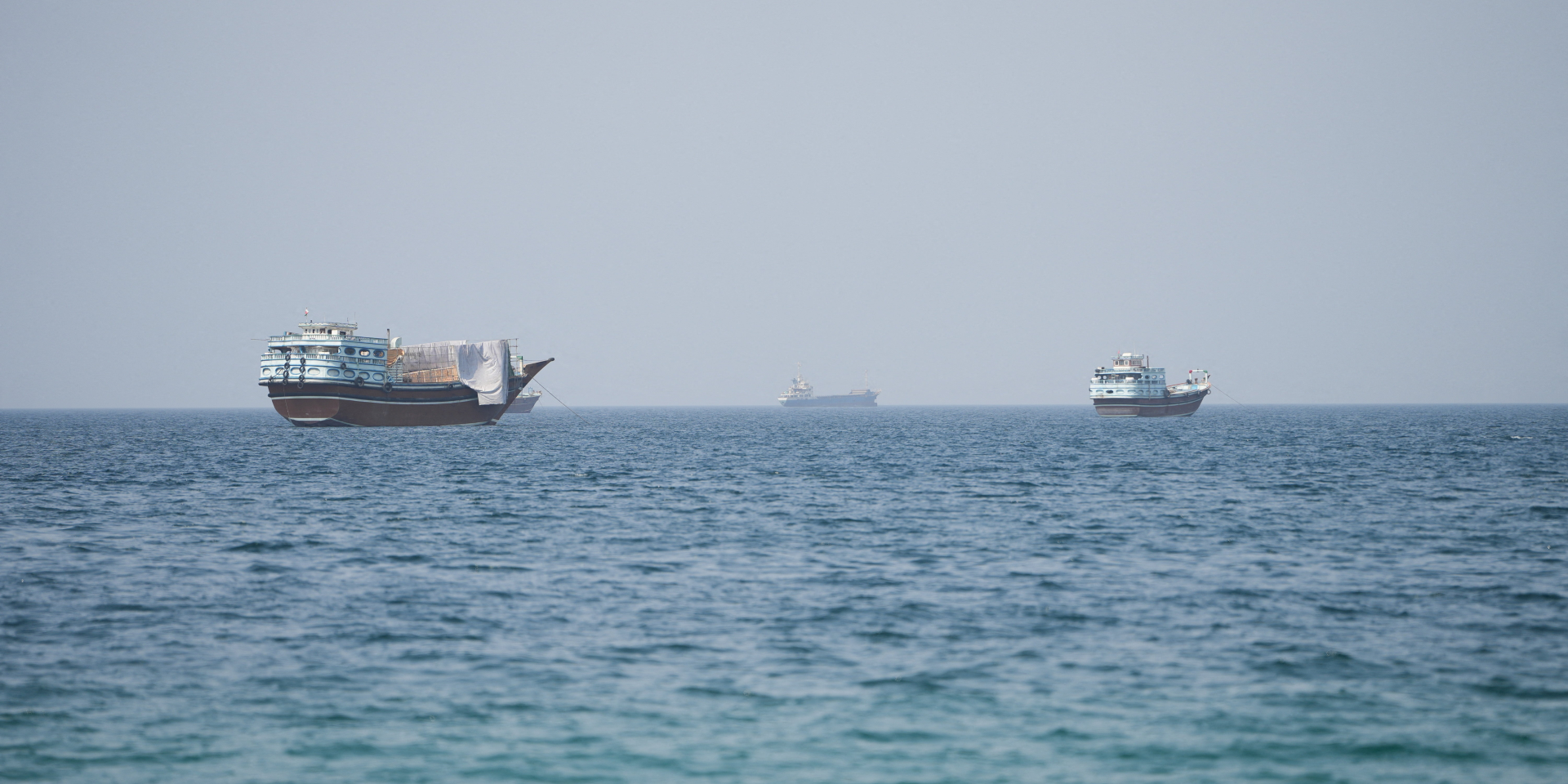
Late July – August: Energy markets saw extreme volatility driven by diplomatic maneuvers and regional flashpoints. Oil prices swung sharply around U.S.-Iran talks on July 28, retreated on July 30 despite local escalation, and reacted abruptly to Trump's public statements on Aug. 3.
Mid-to-late August: Crude pushed upward on Aug. 10 and Aug. 17 amid uncertainty over commercial passage through the Strait of Hormuz. Prices dipped slightly on Aug. 21 and Aug. 27 on expectations that Oman-mediated negotiations with Tehran might unblock the maritime corridor, even as the broader standoff disrupted Middle Eastern supply chains.
Sept. 10: Persistent regional deadlock and tanker threats officially pushed global crude prices past the $100-per-barrel threshold.
The military war may be swinging in our favor, but the information war continues.
Just as an army needs soldiers, so does a free society need its journalists to ensure that people have access to honest, trustworthy voices to understand the world around them.
For the past five years, The New Voice of Ukraine has been working tirelessly to push back against Russian narratives and defend democracy. But we cannot do it alone.
Please consider supporting us on Patreon for just $5 a month – your donation does directly to supporting journalists and ensuring that this front of the infowar says solid and defended.
Thank you.
Follow us on Twitter, Facebook and Google News
