

U.S. to take over Venezuelan oilfields previously run by Chinese, Russian firms
 Read NV on Google
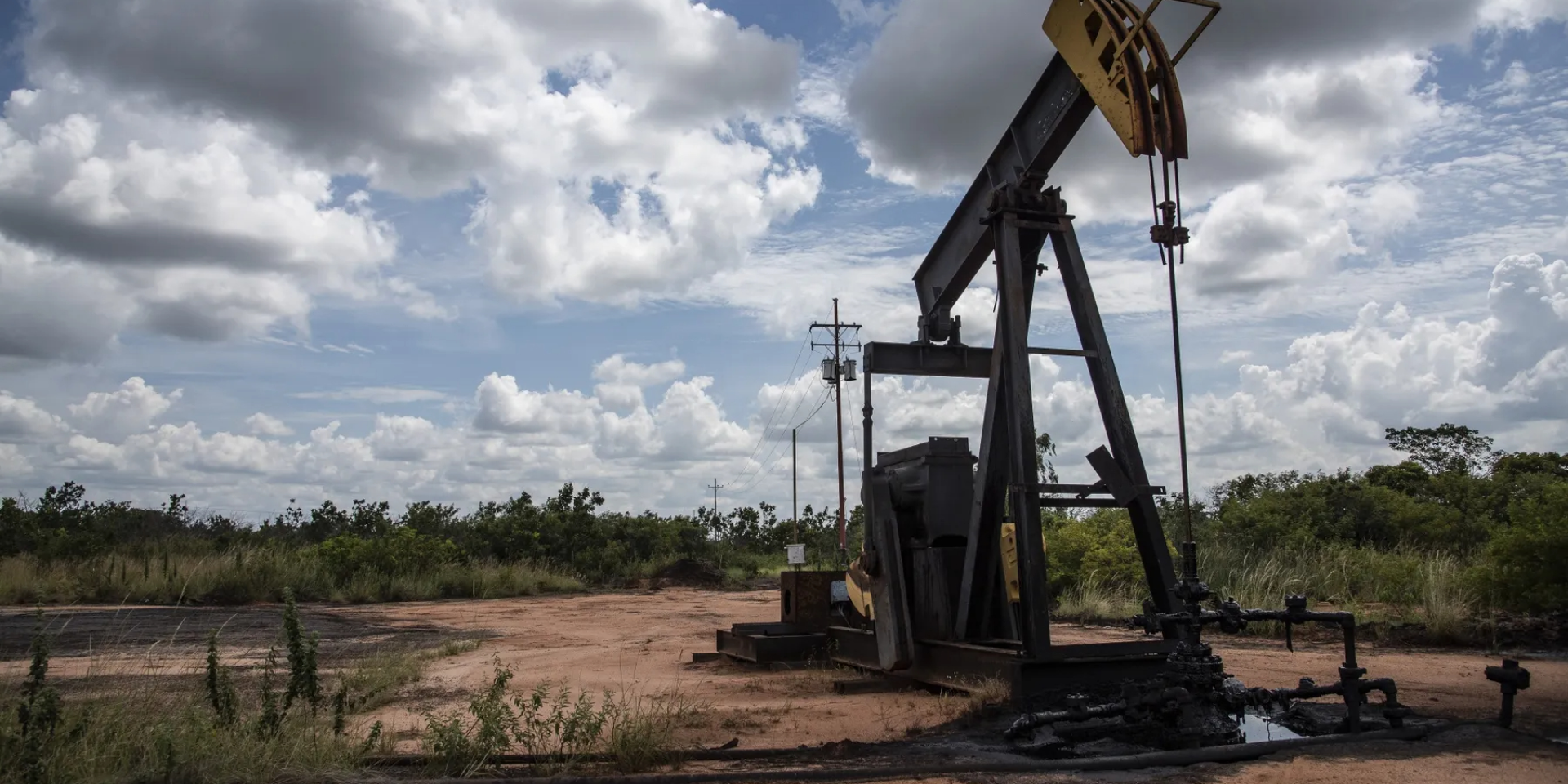
Half of the oil Venezuela produces is now exported to the United States (Photo: Bloomberg)
U.S. oil company North American Blue Energy Partners (NABEP) will take over some oilfields in Venezuela previously controlled by several Chinese companies and a Russian firm, Reuters reported on August 31, citing two U.S. officials.
The sources stated that the takeover will be part of a sweeping oil production agreement that U.S. President Donald Trump announced with Venezuela.
NABEP said it will have operating control of the business and the U.S. government will have holding rights to a 35% stake in the company, alongside preferential access to 20% of the company’s production at cost.
The White House said NABEP has also granted the U.S. Department of State the right of first refusal to purchase the remaining 80% of its production.
Last week, Trump announced that the U.S. had secured access to some 64 billion barrels of Venezuela's proven oil reserves through a partnership with private business.
“The arrangement gives U.S. companies a foothold in some of Venezuela's strategically important oil assets while displacing Chinese and Russian interests that have long played a major role in the country's energy sector,” Reuters stated. “It also gives Washington a direct role in determining who produces and sells Venezuela's oil, as the Trump administration seeks to reshape the country's oil industry and bring its vast reserves closer to U.S. economic and geopolitical interests.”
The White House added that the U.S will also have veto power over NABEP's board and directors and has stipulated that a majority of the board must be American citizens.
NABEP is expected to control a total of 17 projects in Venezuela, 14 of which will be newly granted by the Venezuelan government.
The officials stated that five of the 14 fields have been operated by Chinese companies under a model promoted by then-President Nicolas Maduro, while one was previously operated by a Russian company.
Two of the projects have been operated by China Concord Resources, which was sanctioned by the U.S. in 2019 for Iran-related activity. Another project was operated by Sinopec and another by China National Petroleum Corp, the officials said.
“Not only are we opening up new opportunities for the U.S. government to benefit and for U.S. operators to benefit, we are opening up the United States as the market for this oil which was previously being sent to China,” the officials stated.
U.S. President Donald Trump announced August 29 that the United States has reached what he called the “biggest oil deal in world history” with Venezuela.
Trump stated that the U.S. had secured control of more than 65 billion barrels of proven oil reserves in Venezuela, and that the deal will more than double U.S. oil reserves, greatly increase oil supplies, and substantially lower gasoline prices for Americans. He added that the deal will “set Venezuela on a course toward Tremendous Success and Great Prosperity.”
CNN, citing a White House source, reported that the deal would give the United States “55% of the actual production of a new private joint venture that, by reserves, will become the second-largest private oil company in the world.”
The source also said Venezuelan interim president Delcy Rodríguez, with U.S. backing, granted a private company 100-year concessions to oil fields. The official added that the private company is a joint venture between the U.S. government and a private operator in Venezuela.
Axios, citing two U.S. officials, reported on August 28 that the administration of U.S. President Donald Trump was negotiating with Venezuela’s interim government to acquire a stake in the South American country’s vast oil resources.
Trump began privately discussing ways to acquire an ownership stake in Venezuelan oil fields even before he authorized the January 3 capture of Venezuelan dictator Nicolás Maduro, who has been charged in New York with narco-terrorism.
Venezuela’s oil sector is in relative decline because of a legacy of mismanagement under Maduro and his predecessor, Hugo Chávez, after Chávez came to power in 1999.
U.S. Deputy Energy Secretary Kyle Haustveit said that about half of the oil Venezuela produces is now exported to the United States.
The military war may be swinging in our favor, but the information war continues.
Just as an army needs soldiers, so does a free society need its journalists to ensure that people have access to honest, trustworthy voices to understand the world around them.
For the past five years, The New Voice of Ukraine has been working tirelessly to push back against Russian narratives and defend democracy. But we cannot do it alone.
Please consider supporting us on Patreon for just $5 a month – your donation does directly to supporting journalists and ensuring that this front of the infowar says solid and defended.
Thank you.
Follow us on Twitter, Facebook and Google News
