

Kursk operation proves Putin controls nothing, says Bundestag Defense Chair
The Ukrainian Armed Forces' operation in Kursk has shown that dictator Vladimir Putin "controls nothing" in Russia, Marcus Faber, chairman of the Bundestag's defense committee, said on X on Aug. 11.
The Ukrainian offensive against Russian troops near Kursk is progressing better than expected, according to a lawmaker.
"The progress shows the Russian population that their dictator has lost control and that the military leadership is overwhelmed," the MP wrote. "This lays a strong foundation for peace talks with Putin's successor — and for negotiations with Putin before the International Criminal Court."
The lawmaker also noted that the advances by the Ukrainian Armed Forces in Kursk Oblast are forcing the Kremlin to gradually withdraw its troops from positions in eastern Ukraine, thereby easing the pressure on Ukrainian forces stationed there.
"Our military assistance to Ukraine is the best investment in our security," the MP stated. "It reduces the potential Russian threat every day and protects the civilian population of Ukraine from becoming refugees. Even Putin's supporters in Germany should recognize this now."
Kursk Oblast raid
On Aug. 6, Russian propagandists claimed that Ukrainian forces had allegedly penetrated the Sudzha district of Kursk Oblast. The Russian Ministry of Defense later confirmed fighting in the region. Russian Chief of the General Staff Valery Gerasimov claimed that Ukraine had entered with about 1,000 troops, using Western Stryker armored vehicles, tanks, UAVs, air defense systems, and electronic warfare equipment.
Ukrainian officials have not yet commented on these events.
Russian propaganda outlets claimed on Aug. 8 that fighting in Kursk Oblast was occurring approximately 26 kilometers from the border. The Washington Post, citing “a presidential advisor to Volodymyr Zelenskyy,” reported that Ukraine had allegedly taken control of the Sudzha gas metering station in Kursk Oblast.
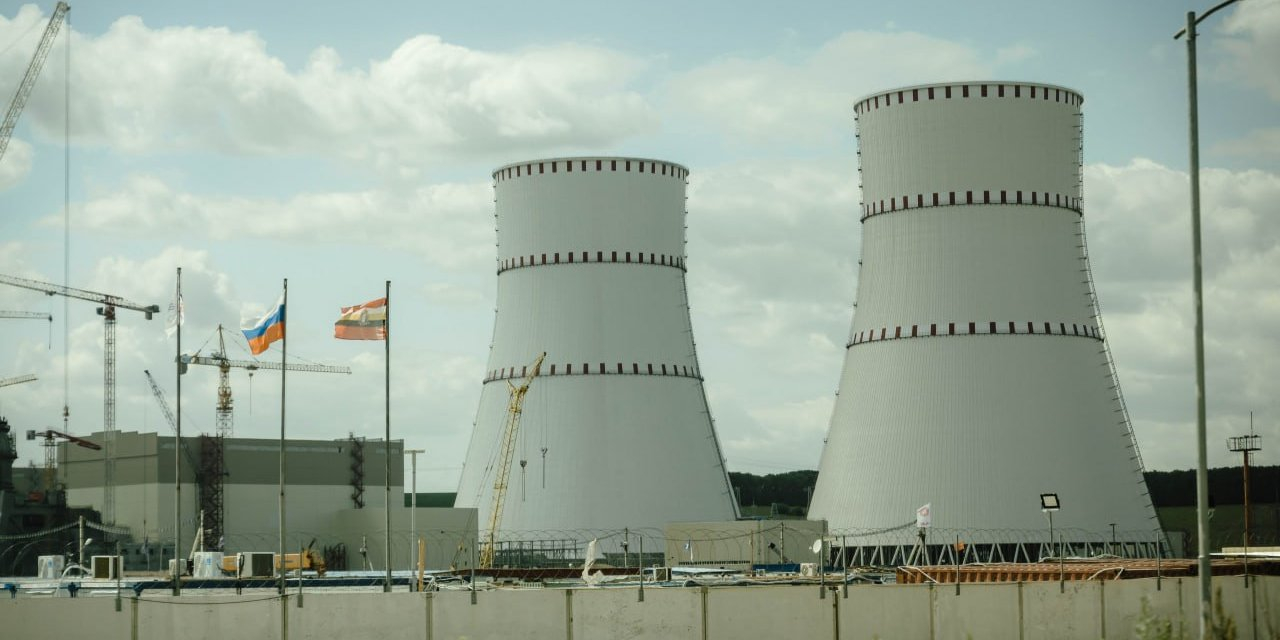
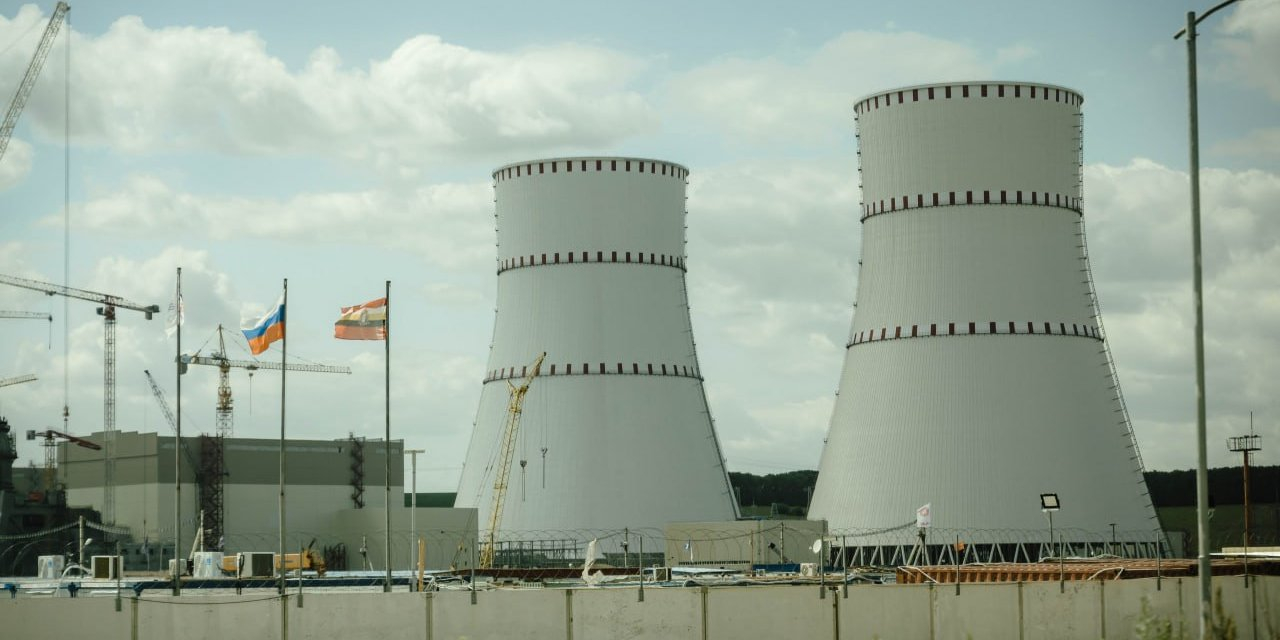
On Aug. 9, Kurchatov Mayor Igor Korpunkov stated that fighting was taking place several dozen kilometers from the city, where the Kursk Nuclear Power Plant is located.
In response to these events, Russia introduced a “counter-terrorism operation” regime in the Bryansk, Kursk, and Belgorod oblasts, including measures like monitoring telephone conversations and other communications.
Politico reported that Germany and other Ukrainian allies had previously been reluctant to allow Kyiv to strike inside Russia, but recent events in Kursk Oblast might change this stance.
A video posted online on Aug. 9 showed more than ten pieces of burnt-out Russian military equipment, mostly trucks, along with the bodies of soldiers. The video’s author claimed it was filmed in the village of Zhovtneve. Russian Z-bloggers also reported an attack on a military convoy at the time of the alleged Ukrainian army strike.
The BBC Verify service later confirmed that the video of the destroyed Russian convoy was indeed filmed near the village of Zhovtneve, close to Rylsk.
On Aug. 10, Censor.net editor-in-chief Yuriy Butusov, citing the Khorne Group unit of the 116th Separate Mechanized Brigade, reported that the defeated Russian column had suffered 490 killed in action.
The military war may be swinging in our favor, but the information war continues.
Just as an army needs soldiers, so does a free society need its journalists to ensure that people have access to honest, trustworthy voices to understand the world around them.
For the past five years, The New Voice of Ukraine has been working tirelessly to push back against Russian narratives and defend democracy. But we cannot do it alone.
Please consider supporting us on Patreon for just $5 a month – your donation does directly to supporting journalists and ensuring that this front of the infowar says solid and defended.
Thank you.
Follow us on Twitter, Facebook and Google News
