

Oil prices rise amid Iran-Israel ceasefire uncertainty
Oil prices increased on June 25, as investors assessed the stability of a ceasefire between Iran and Israel, though they remained near multi-week lows due to expectations of uninterrupted crude oil supply, Reuters reported.
Brent crude futures rose 85 cents, or 1.3%, to $67.99 per barrel, while U.S. West Texas Intermediate (WTI) crude gained 87 cents, or 1.4%, to $65.24 per barrel.
On June 24, Brent crude fell to its lowest level since June 10, and WTI hit a low not seen since early May, following Israel’s unexpected attack on Iran’s key military and nuclear targets on June 13.
“Global energy prices are moderating following the Israel-Iran ceasefire,” analysts at J.P. Morgan wrote in a client note. “The base case for our oil strategists remains anchored by fundamentals, which indicate sufficient global oil supply.”
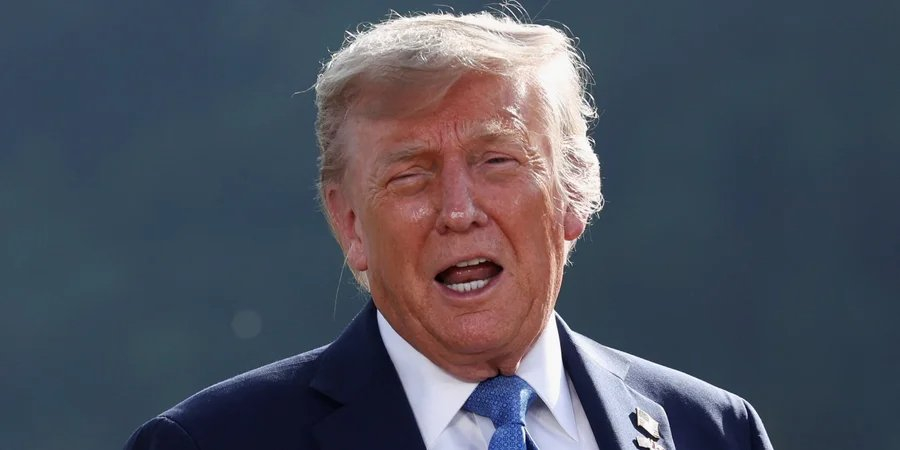
Iran and Israel have signaled that their aerial conflict has concluded for now, after former U.S President Donald Trump publicly criticized both for breaching ceasefire terms of the agreement.
The direct U.S involvement in the conflict raised investor concerns about the Strait of Hormuz, a critical waterway between Iran and Oman carrying 18 to 19 million barrels of crude oil and fuel daily, nearly a fifth of global consumption.
Investors awaited U.S. government data on domestic crude and fuel inventories, set for release on June 25.
Previously, oil prices surged to five-month highs after U.S. airstrikes on Iran’s nuclear facilities the prior weekend.
According to CNN, the United States used B-2 bombers and GBU-57 “bunker-buster” bombs in the strikes on nuclear assets, marking their first known combat use.
The Pentagon detailed the operation, named Midnight Hammer, with General Dan Caine stating that U.S. forces deployed about 75 precision-guided weapons, including 14 “Massive Ordinance Penetrator” bombs.
Iran’s Atomic Energy Organization vowed to continue its nuclear program despite the U.S. and Israeli attacks. Supreme Leader Ayatollah Ali Khamenei warned that U.S. direct involvement could lead to “irreparable damage” for Washington, predicting “far greater losses” than in past conflicts.
Israel’s Defense Forces reported that Iran launched 20 to 30 ballistic missiles toward Israel on June 22.
On June 23, reports indicated that U.S. strikes on Iran’s nuclear sites had influenced oil prices.
The military war may be swinging in our favor, but the information war continues.
Just as an army needs soldiers, so does a free society need its journalists to ensure that people have access to honest, trustworthy voices to understand the world around them.
For the past five years, The New Voice of Ukraine has been working tirelessly to push back against Russian narratives and defend democracy. But we cannot do it alone.
Please consider supporting us on Patreon for just $5 a month – your donation does directly to supporting journalists and ensuring that this front of the infowar says solid and defended.
Thank you.
Follow us on Twitter, Facebook and Google News
