

Putin's economic shield crumbles as military spending drains Russia's liquid assets — Politico
 Read NV on Google
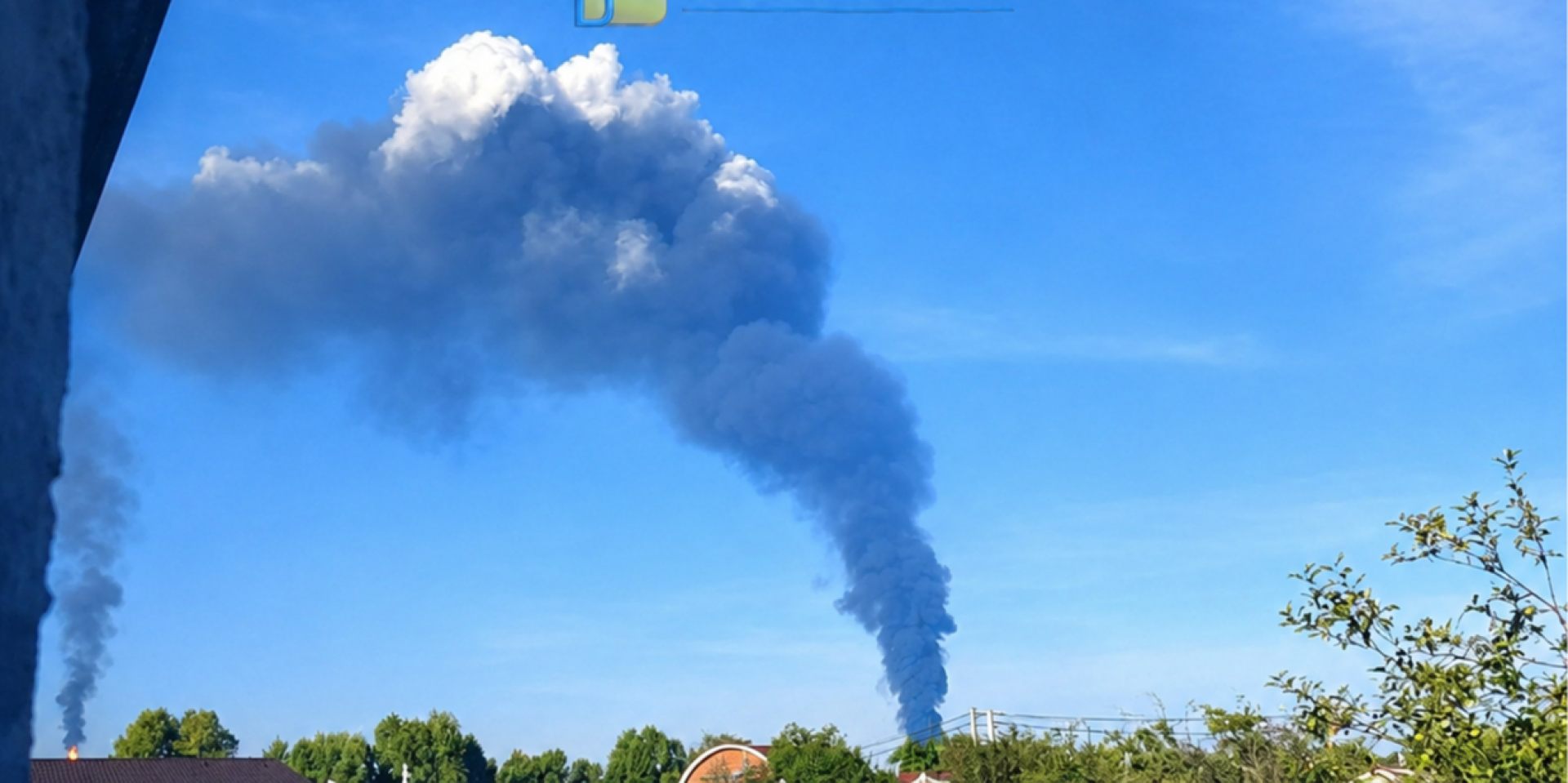
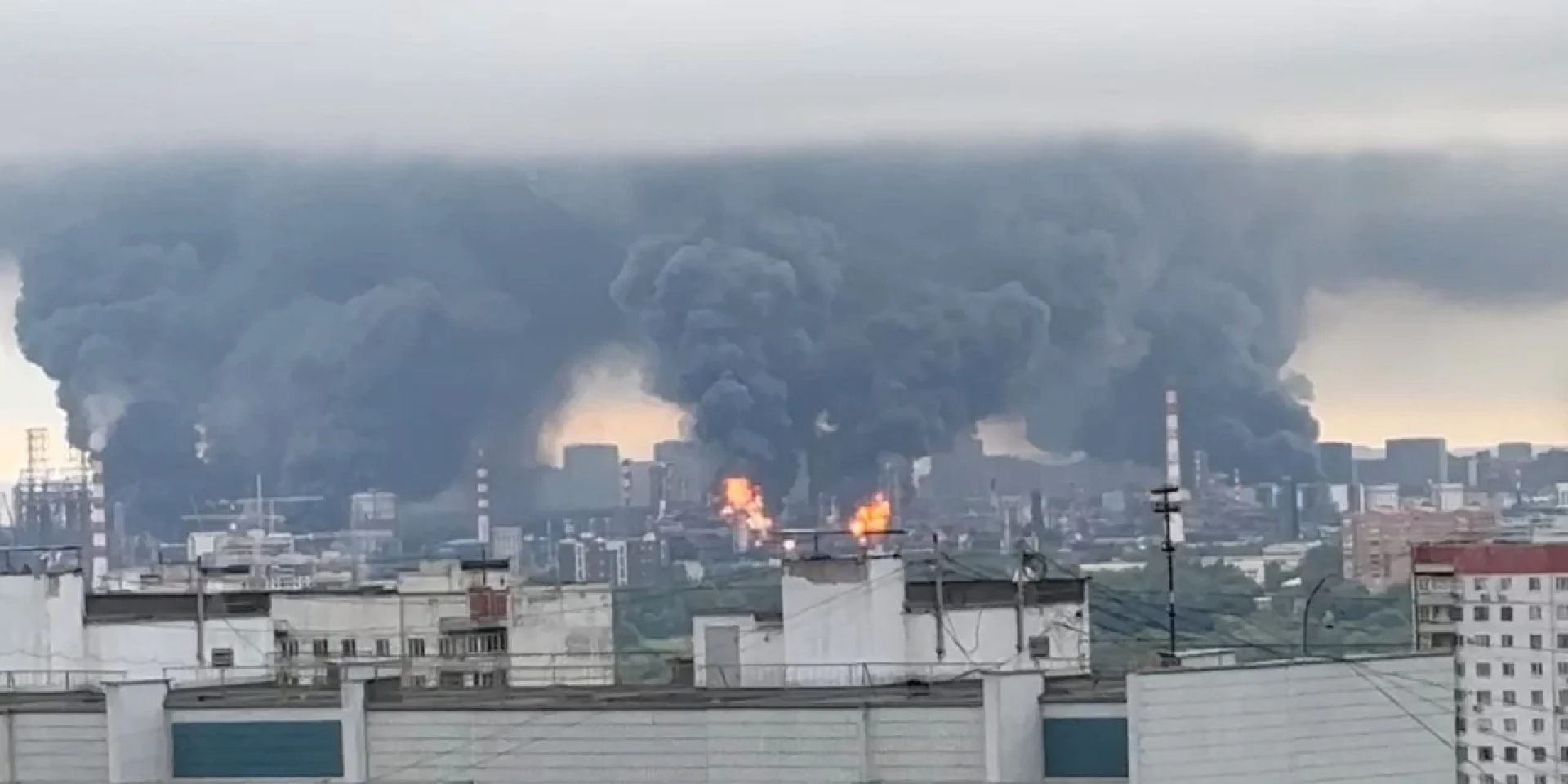
Fire at Kstovo oil refinery in Russia's Nizhny Novgorod Oblast after Ukraine's attack, July 2, 2026 (Photo: Exilenova+ / Telegram)
Russian dictator Vladimir Putin largely succeeded in shielding his population from the economic consequences of the full-scale invasion of Ukraine, but the situation has now shifted dramatically, Politico wrote on July 2.
Russian economy is on the brink of collapse, driven toward a critical tipping point by Ukrainian UAV and missile strikes, the publication emphasized.
Ukraine's recent attacks on key energy infrastructure have transformed the war from a relatively minor annoyance, which most Russians were willing to ignore, into an increasingly critical fuel crisis.
Putin was forced to acknowledge the problem. However, he attempts to present it in an optimistic light, claiming that the fuel deficit is not critical and trying to convince the public that Russian strikes on Ukraine are more destructive, Politico noted.
Yet, many Russian residents can see with their own eyes just how bad things really are. Notably, numerous videos have surfaced online showing drivers brawling over gasoline at filling stations.
Ukraine is deliberately targeting oil refining units that Russia cannot independently replace or repair. This means, Politico wrote, that there can be no quick fix to the fuel shortage problem.
The publication cited Serhii Vakulenko, an analyst at the Carnegie Endowment for International Peace, who noted that the amount of gasoline now available in Russia is determined by a race between Ukrainian UAVs and Russian repair crews.
"If the frequency of Ukrainian attacks is maintained, and the damage from each of them increases, then the advantage will shift to Kyiv," Vakulenko emphasized, adding that this is exactly what is happening right now.
At the same time, Politico wrote, even if fuel is available, the problem of rising prices in the RF will persist. Fuel costs have a massive impact on overall inflation, and the Central Bank of Russia has warned that the recent price hikes will likely have longer-term consequences than before.
As Janis Kluge, an analyst at the German Institute for International and Security Affairs, told the publication, Russia's military and classified expenditures now account for nearly half of total government spending. Meanwhile, liquid assets in the National Wealth Fund plummeted from roughly 7 percent of gross domestic product at the beginning of 2022 to a mere 1.7 percent of GDP as of April.
Therefore, Putin is not the only one feeling the fuel shortage, Politico concluded.
The military war may be swinging in our favor, but the information war continues.
Just as an army needs soldiers, so does a free society need its journalists to ensure that people have access to honest, trustworthy voices to understand the world around them.
For the past five years, The New Voice of Ukraine has been working tirelessly to push back against Russian narratives and defend democracy. But we cannot do it alone.
Please consider supporting us on Patreon for just $5 a month – your donation does directly to supporting journalists and ensuring that this front of the infowar says solid and defended.
Thank you.
Follow us on Twitter, Facebook and Google News
