

Critics warn Russia's campaign in Europe has entered an active phase
 Read NV on Google
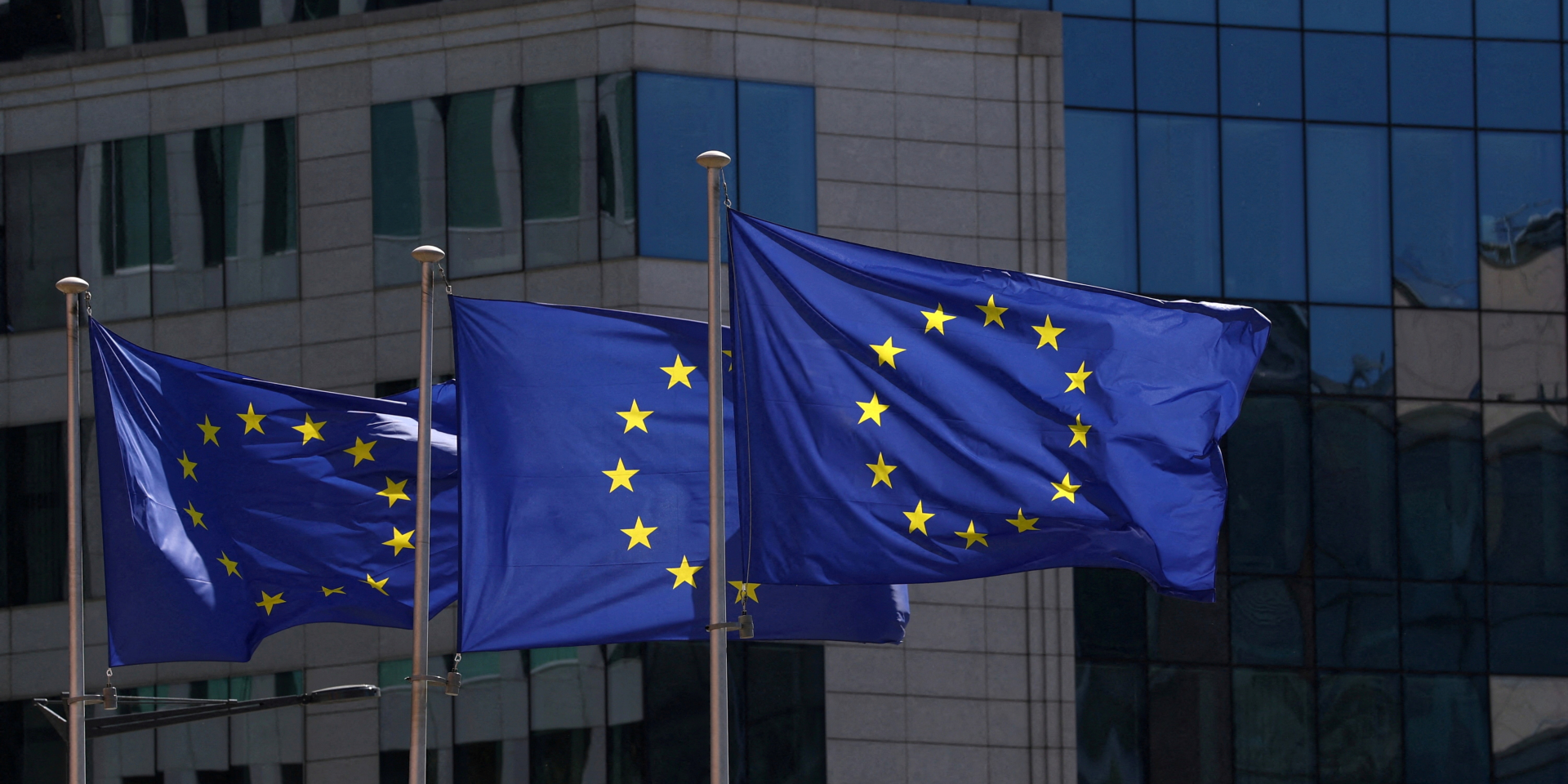
The EU believes Russia is no longer merely waging a hybrid war (Photo: REUTERS/Yves Herman)
A wave of drone incursions, assassination attempts, and sabotage on European soil has prompted critics to argue that the conflict with Moscow is no longer merely hybrid in nature, Politico reported on August 27.
The outlet stated that Russia’s campaign against Europe looks increasingly brazen. Yet EU leaders remain reluctant to call it what a growing number of security officials say it increasingly resembles: war. Instead, they reach for a softer phrase – “hybrid war” – that allows the EU and NATO to avoid a military response.
Politico noted that this language is coming under growing criticism as Moscow steps up sabotage, cyberattacks, and other operations across Europe.
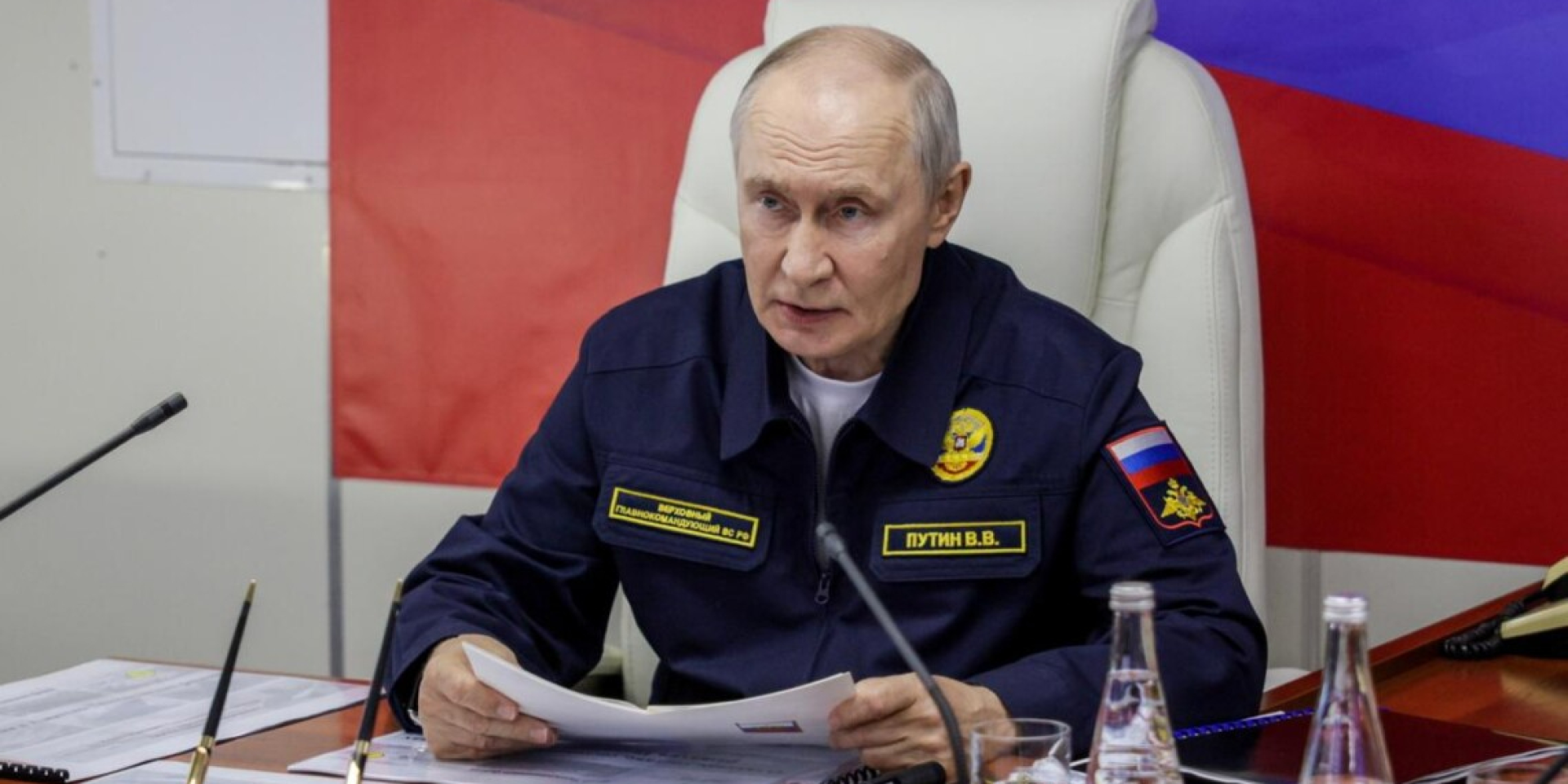
Security experts, diplomats, and defense officials who spoke to Politico say the “hybrid” label risks understating the severity of the threat and obscuring just how far the confrontation with Russia has already escalated.
The outlet cited the recent drone attack on Leipzig airport as an example. When German investigators found a third drone along with explosives thought to be linked to a planned airport attack, Chancellor Friedrich Merz warned that his country was experiencing “very real threats” amid “increased scrutiny from hybrid attackers.”
Amid an ever-growing number of similar events – which some intelligence agencies argue may be building toward a direct attack by Russia on a NATO state – CIA director John Ratcliffe traveled to Moscow this week to warn the Kremlin against striking alliance members.
“We are indeed in a hybrid war which is no longer all that ‘hybrid’ anymore,” said Camille Grand, a former assistant secretary-general at NATO and now head of the European Aerospace, Security, and Defense Industries Association.
The outlet emphasized that EU leaders and officials want to avoid any suggestion Russia is “on the cusp of a direct strike.”
“We can say very clearly the European services do not see any risk of attack on European countries,” a senior EU official said on the condition of anonymity.
Another EU official told Politico that the terms “hybrid threats” and “hybrid warfare” are used to describe actions that fall short of direct attacks on European military or civilian targets, adding that they allow the EU to avoid a state of war, thus not requiring a military response from the EU or NATO.
The outlet noted that continuing to use the hybrid label protects economies, as any suggestion that European countries are in a direct conflict with Russia could scare off investors and cause insurance premiums to spike.
NATO deputy assistant secretary-general for innovation, hybrid, and cyber James Appathurai believes the term is entirely appropriate to describe Russia’s actions.
“We tend to use the term ‘hybrid actions’ because we are well beyond just threats, as we can see from the range of cyber attacks, sabotage, and drone incursions,” Appathurai said. “We respond to these hostile acts, for example when allies coordinated the expulsion of Russian 'diplomats' and when we deployed military assets into the Baltic Sea to deter damage to undersea infrastructure.”
But critics argue that overusing the term “hybrid warfare” to describe assassinations and drone incursions risks “lulling the public into a false sense of complacency.”
John Ratcliffe’s visit to Moscow
Reports emerged on August 25 that CIA Director John Ratcliffe made an unannounced trip to Moscow. That same day, media outlets reported that the United States asked Ukraine to refrain from attacking Moscow, St. Petersburg, and northern Russia during the delegation’s visit.
The Wall Street Journal suggested that Ratcliffe's trip served as a warning to Putin, following intelligence reports that Russia is preparing for mobilization and a potential test of NATO's resolve.
Sergei Naryshkin, director of Russia's Foreign Intelligence Service, confirmed he met with Ratcliffe to discuss intelligence matters.
U.S. President Donald Trump addressed Ratcliffe’s unannounced trip to Moscow, calling the visit “semi-routine.” Trump dismissed swirling rumors about the trip – including theories regarding potential Russian attacks against the United Kingdom – stating the mission dealt with “none of the above.”
After returning to Washington, Ratcliffe visited the White House alongside U.S. Defense Secretary Pete Hegseth and Chairman of the Joint Chiefs of Staff General Dan Kane.
Ukraine’s Presidential Chief of Staff Kyrylo Budanov stated on August 27 that the war in Ukraine was not the primary topic of discussion during the CIA director’s visit to Moscow.
The military war may be swinging in our favor, but the information war continues.
Just as an army needs soldiers, so does a free society need its journalists to ensure that people have access to honest, trustworthy voices to understand the world around them.
For the past five years, The New Voice of Ukraine has been working tirelessly to push back against Russian narratives and defend democracy. But we cannot do it alone.
Please consider supporting us on Patreon for just $5 a month – your donation does directly to supporting journalists and ensuring that this front of the infowar says solid and defended.
Thank you.
Follow us on Twitter, Facebook and Google News
