

Russian Embassy network in Italy may have recruited saboteurs across Europe
 Read NV on Google
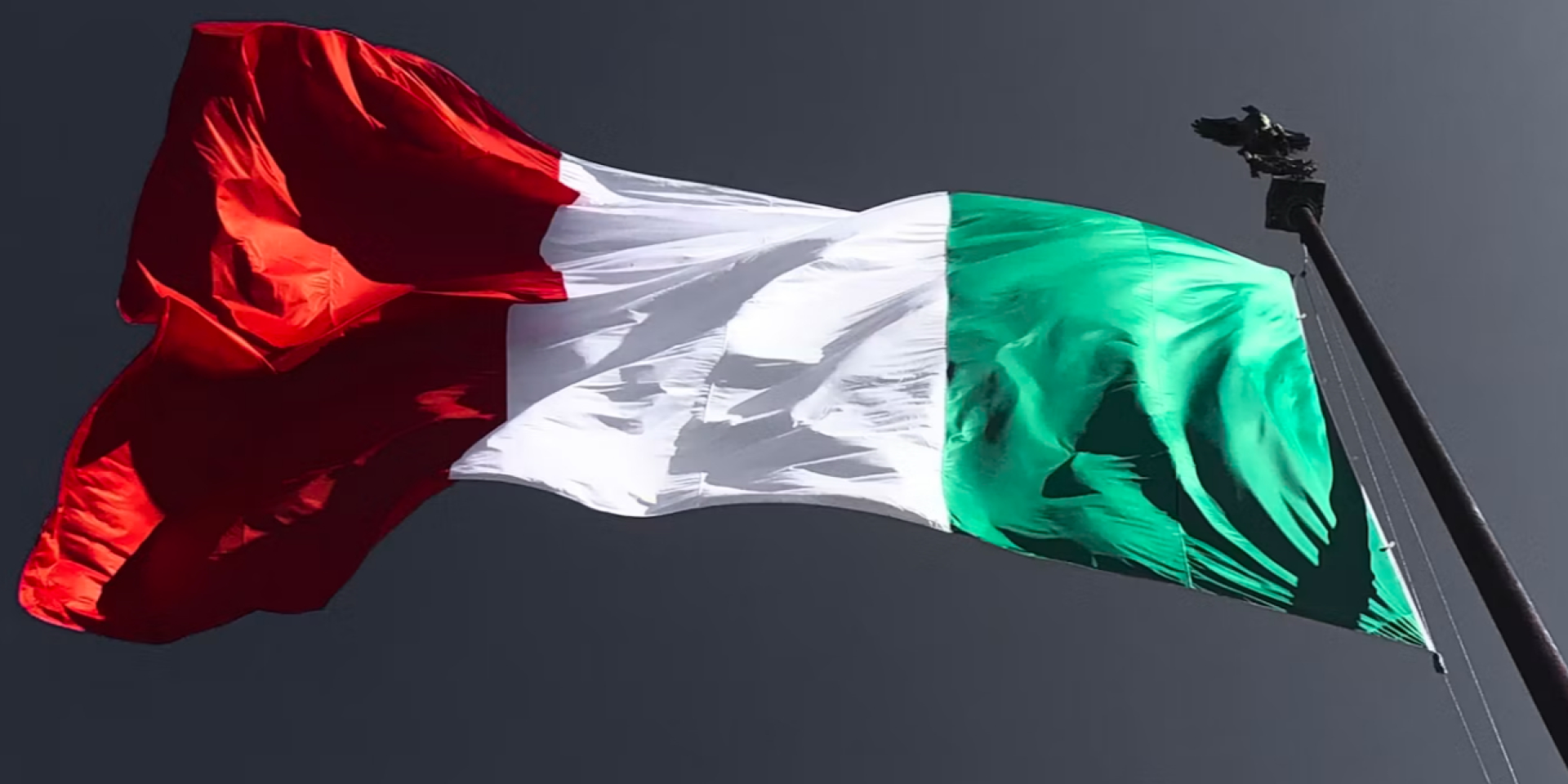
A network of Russian intelligence agents may be operating in Italy under cover of the Russian Embassy. (Photo: Emma Fabbri / Unsplash)
Italy expelled two military attaches from the Russian
Embassy in Rome in July 2026. Both were suspected of espionage, but a Russian
intelligence network operating under diplomatic cover may be far broader,
according to an investigation by Italian newspaper Il
Riformista published on Sept. 17.
Journalist Massimiliano Coccia investigated the presence of
Russian security and intelligence personnel at the embassy. His reporting
indicates that Russian military intelligence connections may extend as far as
the Vatican.
Italy expelled Ivan Gorbachev and Mikhail Astakhov on July
9. They served as the Russian Embassy’s naval attache and deputy naval attache,
respectively. An investigation by Rome prosecutors led to the arrest of two
former Italian intelligence officers accused of passing confidential
information to Russia. The Italian government decided to expel Gorbachev and
Astakhov based on material gathered by intelligence services.
Coccia’s investigation also names Igor Anikiev and Igor
Ovechkin, Russian Embassy advisers believed to have ties to Russia’s FSB. The
two may have gathered information on Italian infrastructure, focusing on
military and technological systems linked to NATO.
The alleged activity may not have been limited to the
military sphere. Anton Dyomin and Dmitry Morozenkov, second and third
secretaries at the Russian Embassy, both of whom have been linked to Russia’s
GRU military intelligence agency, ostensibly worked in culture and business but
may have recruited Belarusian nationals and citizens of other Eastern European
countries to carry out sabotage against military or civilian infrastructure.
Coccia cited a recent attempt to attack
Ukrainian aircraft with drones at the airport in Leipzig, Germany.
Coccia reported that another strand of Russian activity
leads to the Vatican. He cited Konstantin Nemudrov, an attache at the Russian
Embassy accredited to the Holy See. His father, Alexei Nemudrov, was expelled
from Italy in 2021 in connection with the case of Walter Biot, an Italian Navy
officer convicted of passing classified documents to a Russian official.

A source cited by Coccia claimed that Konstantin Nemudrov is
now continuing the work once carried out by his father. The younger Nemudrov is
believed to be passing information about internal developments at the Vatican
to Moscow.
Coccia stressed that the allegation came from his source,
but noted that the Holy See is an especially sensitive subject because the
Vatican is one of the most delicate international interlocutors on Ukraine,
particularly because of its role in humanitarian initiatives and the issue of
Ukrainian children illegally relocated to Russia.
Coccia concluded that the breadth of Russia’s alleged
connections has raised suspicions among many members of Italian intelligence
about an incident that occurred on Aug. 13 at KNDS Ammo Italy. A fire broke out
and a powerful explosion occurred at the ammunition plant near Rome.
Italian Defense Minister Guido Crosetto later said the
Italian government saw no grounds to believe Russia was involved in the
explosion at the plant.
The military war may be swinging in our favor, but the information war continues.
Just as an army needs soldiers, so does a free society need its journalists to ensure that people have access to honest, trustworthy voices to understand the world around them.
For the past five years, The New Voice of Ukraine has been working tirelessly to push back against Russian narratives and defend democracy. But we cannot do it alone.
Please consider supporting us on Patreon for just $5 a month – your donation does directly to supporting journalists and ensuring that this front of the infowar says solid and defended.
Thank you.
Follow us on Twitter, Facebook and Google News
