

Ukraine celebrates anniversary of daring Cobweb operation that crushed Russia's nuclear triad jets
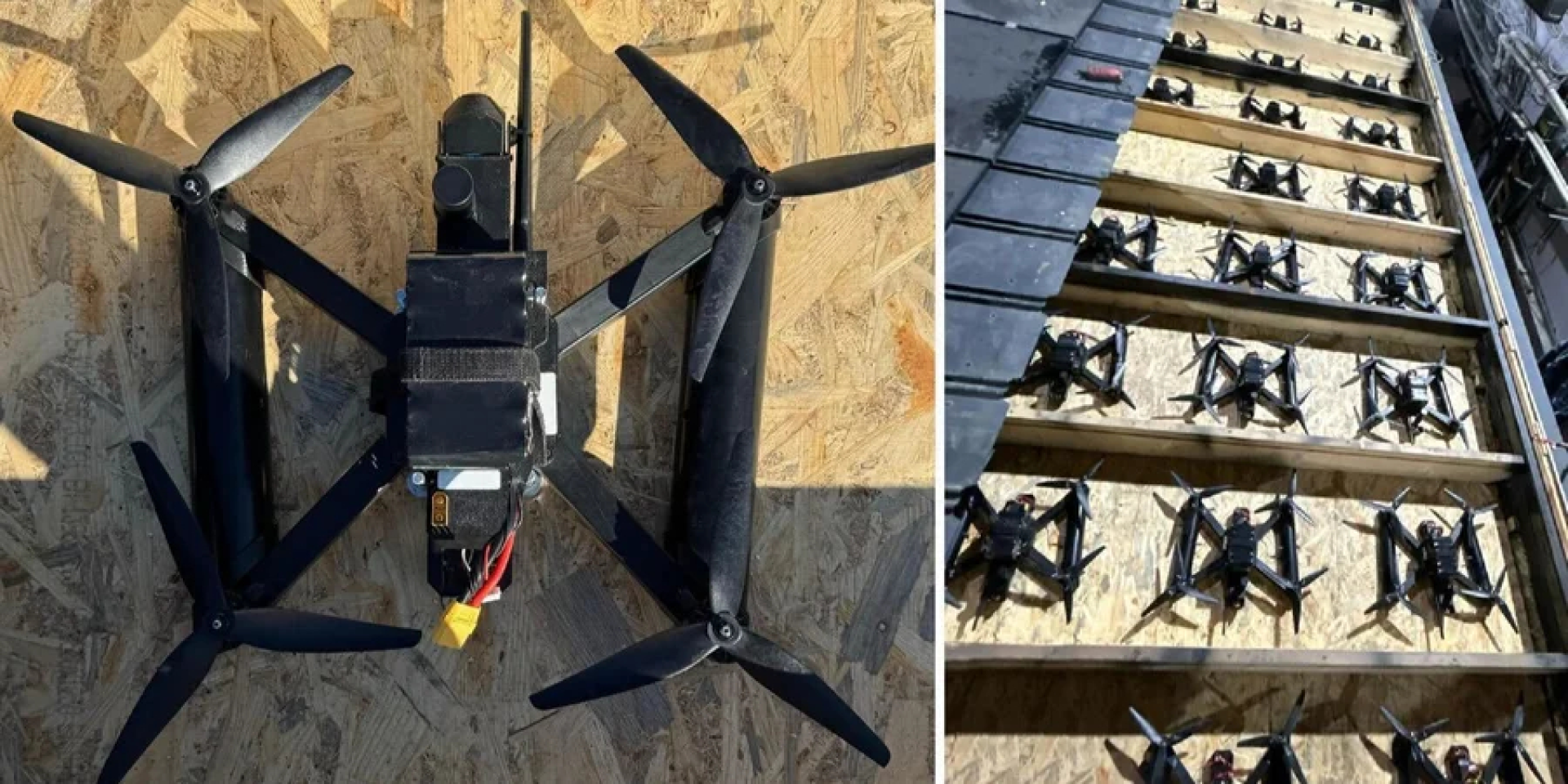
SBU hit 41 planes from Russia strategic aviation in 2025 (Photo: Ukraine's Security Service / Telegram)
More than 40 Russian strategic aviation aircraft were struck in the unique Cobweb special operation conducted by the Security Service of Ukraine (SBU) on June 1, 2025, the agency’s press service wrote.
The officers noted that the world was stunned by Ukraine's operational mastery, while the invaders realized that even Russia's deep rear was no longer out of reach.
"This was not just a strike on the enemy, but an operation unique in its complexity that has already entered modern military textbooks," the statement read.
SBU noted that the operation was carried out on the orders of President Volodymyr Zelenskyy and under the direct leadership of Lieutenant General Vasyl Maliuk.
Operation Cobweb was over 18 months in the making under conditions of complete secrecy and maximum conspiracy. Its goal was not only to inflict massive losses but also to shatter the illusion of security that Russia spent decades building.
At a designated moment, 117 FPV drones simultaneously attacked the enemy's strategic aviation across four military airfields inside Russia: Belaya, Dyagilevo, Olenya, and Ivanovo.
As a result, 41 aircraft were hit, including Tu-95, Tu-22M3, and Tu-160 bombers, as well as an A-50 airborne early warning aircraft. The total damage inflicted exceeds $7 billion.
Cobweb was particularly significant because the SBU successfully degraded a portion of Russia's "nuclear triad" — the very asset the Kremlin had used for years to intimidate and blackmail the civilized world.
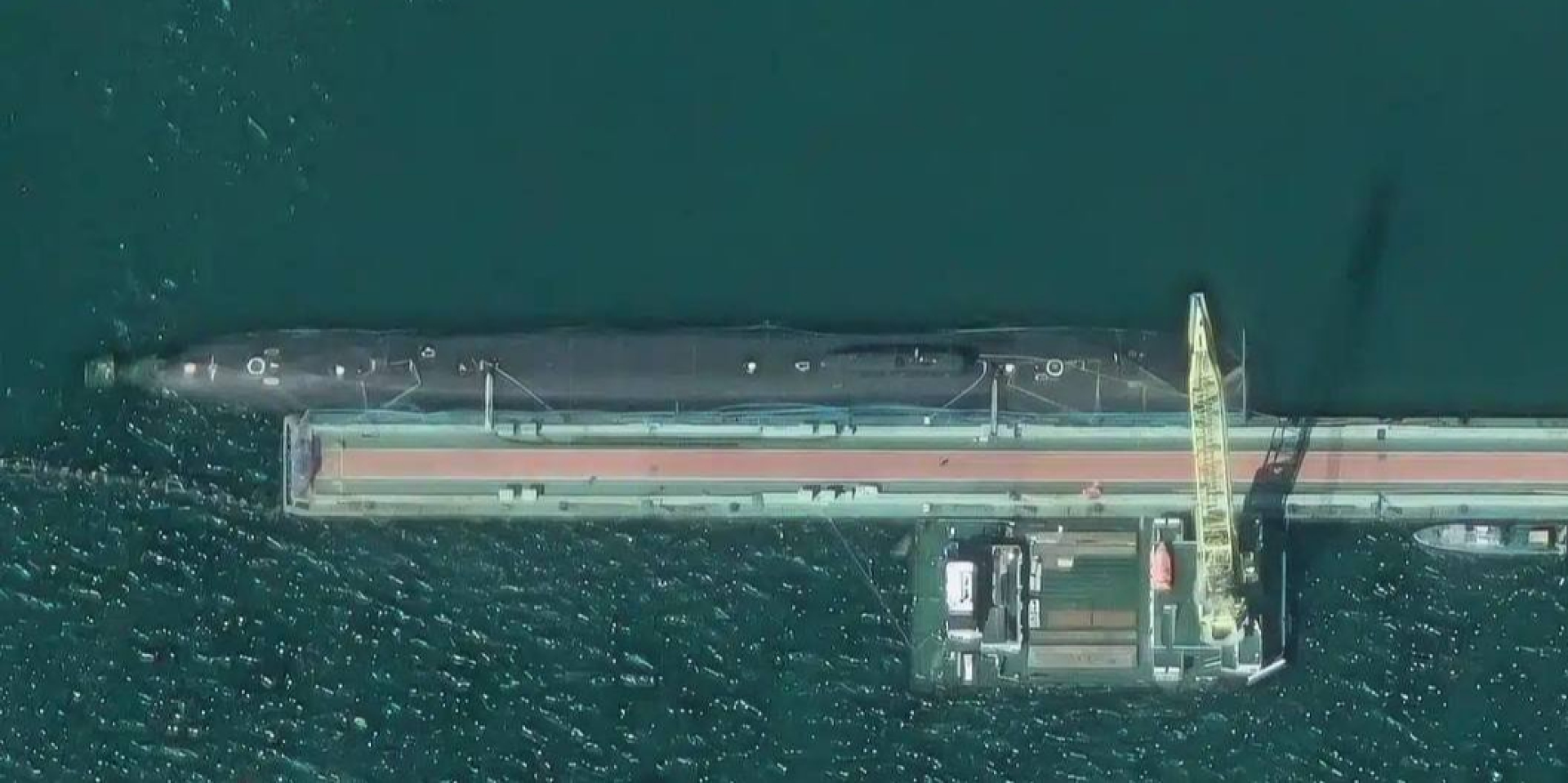
On June 2, 2025, SBU confirmed the scale of the simultaneous strikes on the four airfields deep within the Russian rear.
Ukrainian drones successfully targeted Olenya in Murmansk Oblast, Belaya in Irkutsk Oblast, Dyagilevo in Ryazan Oblast, and Ivanovo in Ivanovo Oblast. Notably, the strike on the Belaya airbase marked the first Ukrainian attack on military targets in Siberia.
The operation relied on ingenious espionage tactics. The SBU initially smuggled the FPV drones into Russia, followed by mobile wooden sheds. The drones were concealed under the roofs of these sheds, which were transported on commercial flatbed trucks. At the synchronized moment, the roofs were opened remotely, allowing the drones to launch and swarm the Russian aircraft.
In January 2026, NV sources, citing Western intelligence data, reported that even six months after the attack, the Russians failed to compensate for the catastrophic losses inflicted on their strategic aviation fleet.
The military war may be swinging in our favor, but the information war continues.
Just as an army needs soldiers, so does a free society need its journalists to ensure that people have access to honest, trustworthy voices to understand the world around them.
For the past five years, The New Voice of Ukraine has been working tirelessly to push back against Russian narratives and defend democracy. But we cannot do it alone.
Please consider supporting us on Patreon for just $5 a month – your donation does directly to supporting journalists and ensuring that this front of the infowar says solid and defended.
Thank you.
Follow us on Twitter, Facebook and Google News
