

Scholz, Macron, Duda to discuss security guarantees for Ukraine in Paris this week, Politico
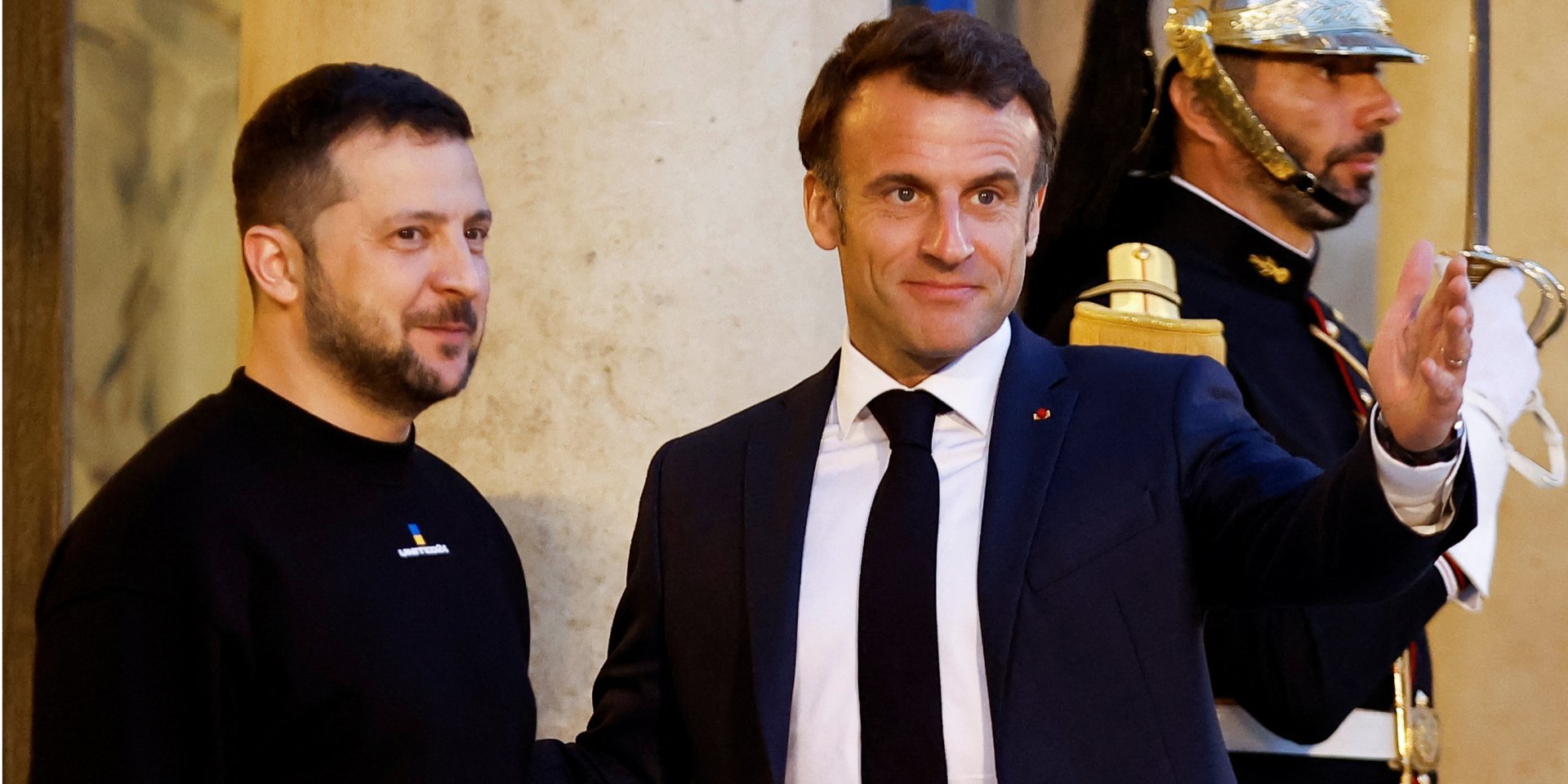
German Chancellor Olaf Scholz and Polish President Andrzej Duda are expected to travel to Paris, France, on June 12 for talks with French President Emmanuel Macron on Ukraine’s push for NATO membership and security guarantees from allies, Politico reported on June 8, citing several French officials.
Last week, Macron called for Ukraine to be given “strong, concrete, and tangible” security guarantees and argued that Ukraine should be offered “a path towards (NATO) membership” during a speech in Bratislava.
However, Scholz appeared to strike a more cautious note, saying on June 1 that the focus shouldn’t be on membership, but on “how we as individuals can support Ukraine.”
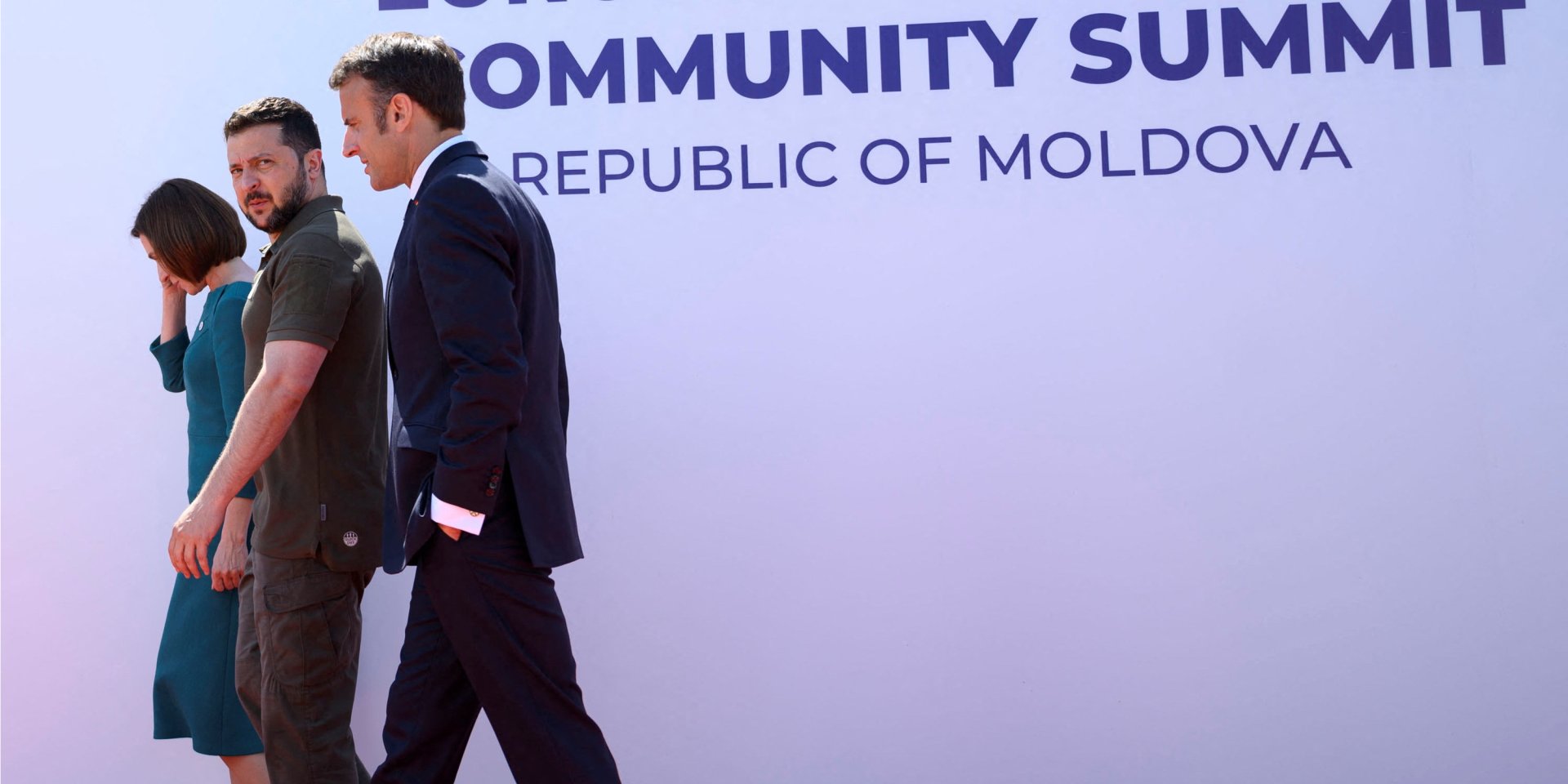
Poland has repeatedly called for Ukraine to be given strong security guarantees. Duda met with several leaders of NATO members in Eastern Europe on June 6 to discuss the war in Ukraine and its request to join the alliance.
“While there is a broad understanding Ukraine will not be able to join while it is still at war with Russia, NATO members are divided on how they should respond to Ukraine’s current push for membership,” Politico reported.
NATO members need to send a strong signal to Russia at a time when Ukraine is launching a counteroffensive, said one French diplomat.
“If we don’t find a solution that satisfies everyone, the risk is that we won’t reach… a unified statement, and that would obviously be the greatest gift we could give to Russia,” said the diplomat, who was not authorized to speak publicly.
It’s also expected the leaders will discuss other topics such as European sovereignty and defense.
Security guarantees for Ukraine: What is known
The idea of security guarantees for Ukraine was first voiced during Russian-Ukrainian negotiations in Istanbul, Turkey, in late March 2022. At that time, the Ukrainian side offered an option under which Ukraine would receive security guarantees in exchange for refusing to join NATO. Moscow frequently cited a perceived threat of NATO expansion as the pretext for invading Ukraine in the first place.
Ukraine’s proposal provided for immediate military assistance from the UN Security Council’s member states in case of aggression, in particular by establishing a no-fly zone over the country.
Russia rejected the proposal and continued its attempts to occupy Ukraine, while the allies, though they abandoned the idea of making bilateral commitments to Ukraine outside NATO, have increased military support for Kyiv and began to discuss concrete security guarantees.
In turn, Kyiv switched from security guarantees as an alternative to NATO to security guarantees as part of a broader process of joining the alliance.
On Sept. 13, 2022, the President’s Office presented the Kyiv Security Treaty — the first draft of recommendations on security guarantees for Ukraine, which were developed by an expert group led by the head of the President’s Office, Andriy Yermak, and former NATO Secretary General Anders Fogh Rasmussen.
The recommendations call for resources to maintain a powerful Ukrainian army, investment in Ukraine’s defense industry, supply of weapons, and intelligence assistance from allies. They also include joint exercises and intensive training missions under the auspices of the European Union and NATO, as well as measures to prevent new aggression.
The document states that the main group of allies and guarantors of Ukraine may include the United States, the United Kingdom, Canada, Poland, Italy, Germany, France, Australia, Turkey, as well as Northern European, Baltic, and Central and Eastern European countries.
Yermak also emphasized that the agreement on security guarantees would not replace joining NATO and should ensure Ukraine’s security until it becomes a full member of the alliance.
The military war may be swinging in our favor, but the information war continues.
Just as an army needs soldiers, so does a free society need its journalists to ensure that people have access to honest, trustworthy voices to understand the world around them.
For the past five years, The New Voice of Ukraine has been working tirelessly to push back against Russian narratives and defend democracy. But we cannot do it alone.
Please consider supporting us on Patreon for just $5 a month – your donation does directly to supporting journalists and ensuring that this front of the infowar says solid and defended.
Thank you.
Follow us on Twitter, Facebook and Google News
