


Olha Reshetylova outlines goals for her role as military ombudsman
Ukraine has introduced a military ombudsman role to protect service members' rights, with Olha Reshetylova appointed to the position, BBC Ukraine reports on Jan. 2.
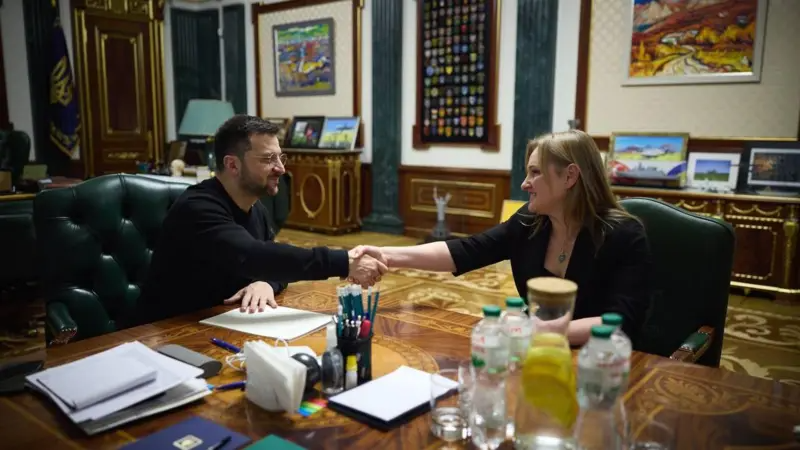
President Volodymyr Zelenskyy has appointed Olha Reshetylova as the Presidential Commissioner for the Protection of Servicemen's Rights, a newly created role aimed at modernizing personnel management in Ukraine’s Defense Forces.
Reshetylova, a prominent human rights advocate, described the role as the most challenging task of her life, adding that she had worked on the law establishing the ombudsman’s office and was surprised by her appointment.
The position, announced by Zelenskyy in November 2024 as part of his sustainability plan, still lacks the necessary draft law for full implementation.
Human rights advocates, including lawyer Masi Nayyem, have called for the office to operate independently of the Ministry of Defense and General Staff to ensure effectiveness.
BBC Ukraine reports that Reshetylova and experts see the role as critical for addressing the imbalance between the military’s duties and their rights.
Law on the Military Ombudsman
Olha Reshetylova aims to establish a “fail-safe system” to protect human rights in the military and shield service members from injustice.
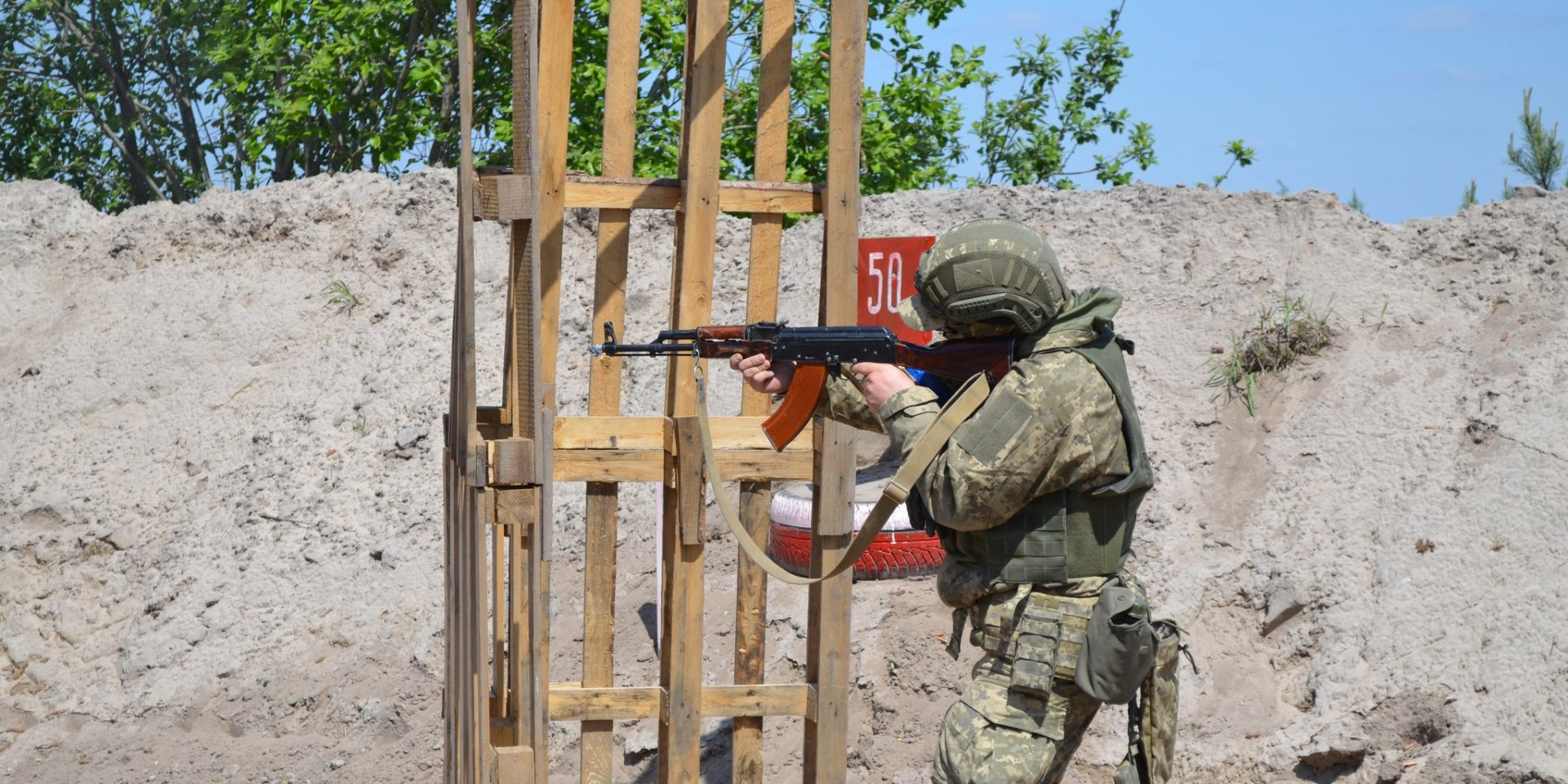
The draft law creating the military ombudsman’s office is being finalized, with Reshetylova optimistically expecting its adoption by March 2025.
She described the role as unique, blending international practices with Ukraine’s wartime governance needs, and emphasized its inclusion in the presidential vertical for autonomy from the Defense Ministry.
Efforts are underway to ensure the ombudsman’s term differs from the president's to prevent political influence.
While awaiting the law’s approval by the Verkhovna Rada, Reshetylova has already received dozens of complaints, including reports of soldier abuse, and is addressing issues through outreach to military leadership and law enforcement.
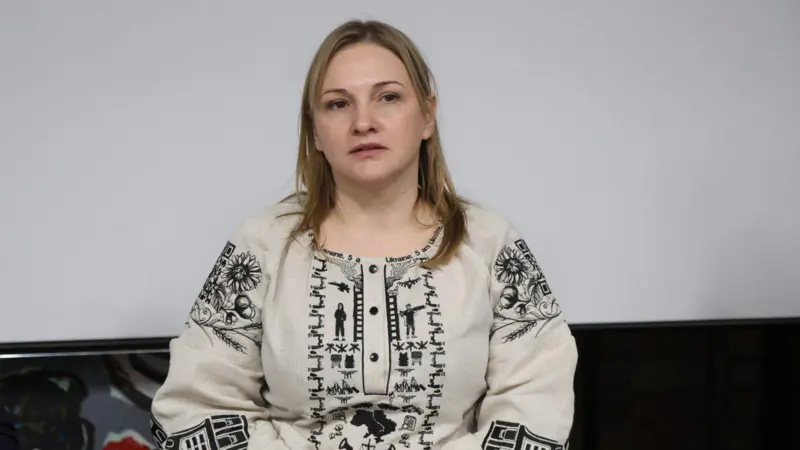
Who is Reshetylova, why is she praised and criticized?
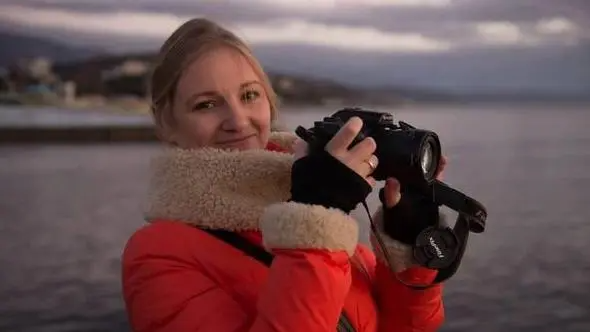
Before becoming Ukraine’s military ombudsman, Olрa Reshetylova led the Media Initiative for Human Rights, investigating war crimes and advocating for human rights reforms.
Her appointment sparked criticism online, particularly for her 2015 and 2016 trips to Russian-occupied Crimea and Chechnya, which she explained were for journalistic investigations into abducted Ukrainians and political prisoner trials.
Reshetylova noted these were dangerous yet necessary efforts to expose Russia’s actions.
A co-founder of the "Return Alive" foundation in 2014, Reshetylova coordinated support for Ukraine’s military and law enforcement before leaving to focus on investigative journalism, including covering mortar incidents and the defense sector.
Critics, including the OSINT project DeepState, questioned her military background, though Reshetylova emphasized her extensive field experience and argued for the value of an independent perspective.
Supporters among human rights groups and activists highlighted her qualifications and contributions.
Reshetylova expressed confidence that criticism would diminish after delivering results in her new role.
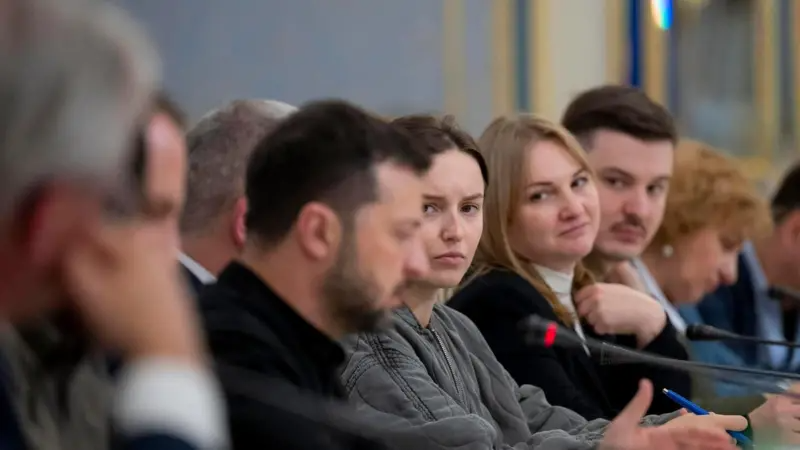
What is the military ombudsman for?
“The military is among the most vulnerable groups,” said Maksym Butkevych, a military and human rights activist who returned from Russian captivity in October 2024.
Defense Forces operate within a rigid hierarchy, limiting individual autonomy and the ability to protect personal rights, Butkevych told BBC Ukraine.
He emphasized the need for a military ombudsman to systematically address rights violations at the state level, given the overwhelming demand for assistance.
However, expectations for the role are high, and the lack of an adopted law leaves the ombudsman without decision-making tools, said Masi Nayem, another advocate. Both Butkevych and Nayem stressed that the ombudsman must remain independent from military structures to effectively protect service members’ rights.
Military Ombudsman in the World
The Military Ombudsman Institute was first established in Sweden in 1915 to protect the rights of the military, gaining prominence after World War II. By the 1950s, Norway and Germany had also created similar bodies.
There are three main models for military ombudsman institutions: one integrated within the armed forces, one that operates independently within the government, and one independent ombudsman solely dedicated to military affairs, as seen in Norway and Germany.
Ukraine’s model remains unclear, though the public organization "Princip" and other NGOs are working on developing the future bill, according to BBC Ukraine sources. The Ministry of Defense has also launched a survey to address military issues via the Army+ app, which will run for three weeks.
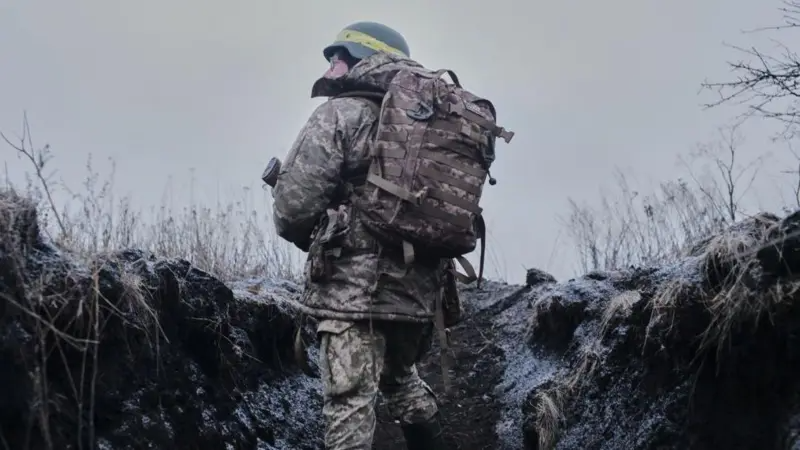
Questions regarding Ukraine’s military strategy, including the northeastern front, and the future of the armed forces under continued conflict, remain pressing concerns.
The Military Ombudsman Institute was first established in Sweden in 1915 to protect the rights of the military, gaining prominence after World War II. By the 1950s, Norway and Germany had also created similar bodies.
There are three main models for military ombudsman institutions: one integrated within the armed forces, one that operates independently within the government, and one independent ombudsman solely dedicated to military affairs, as seen in Norway and Germany.
Ukraine’s model remains unclear, though the public organization "Princip" and other NGOs are working on developing the future bill, according to BBC Ukraine sources. The Ministry of Defense has also launched a survey to address military issues via the Army+ app, which will run for three weeks.
Questions regarding Ukraine’s military strategy, including the northeastern front, and the future of the armed forces under continued conflict, remain pressing concerns.
The Military Ombudsman Institute was first established in Sweden in 1915 to protect the rights of the military, gaining prominence after World War II. By the 1950s, Norway and Germany had also created similar bodies.
There are three main models for military ombudsman institutions: one integrated within the armed forces, one that operates independently within the government, and one independent ombudsman solely dedicated to military affairs, as seen in Norway and Germany.
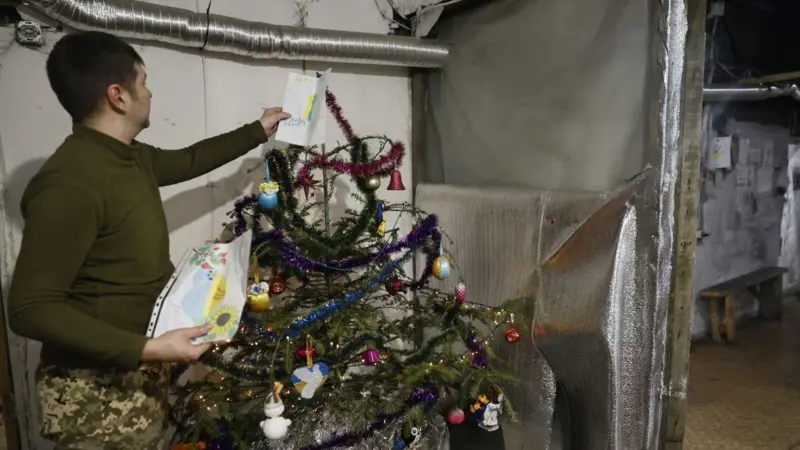
Ukraine’s model remains unclear, though the public organization "Princip" and other NGOs are working on developing the future bill, according to BBC Ukraine sources. The Ministry of Defense has also launched a survey to address military issues via the Army+ app, which will run for three weeks.
Questions regarding Ukraine’s military strategy, including the northeastern front, and the future of the armed forces under continued conflict, remain pressing concerns.
The Military Ombudsman Institute was first established in Sweden in 1915 to protect the rights of the military, gaining prominence after World War II. By the 1950s, Norway and Germany had also created similar bodies.
There are three main models for military ombudsman institutions: one integrated within the armed forces, one that operates independently within the government, and one independent ombudsman solely dedicated to military affairs, as seen in Norway and Germany.
Ukraine’s model remains unclear, though the public organization "Princip" and other NGOs are working on developing the future bill, according to BBC Ukraine sources. The Ministry of Defense has also launched a survey to address military issues via the Army+ app, which will run for three weeks.
Questions regarding Ukraine’s military strategy, including the northeastern front, and the future of the armed forces under continued conflict, remain pressing concerns.
The Military Ombudsman Institute was first established in Sweden in 1915 to protect the rights of the military, gaining prominence after World War II. By the 1950s, Norway and Germany had also created similar bodies.
There are three main models for military ombudsman institutions: one integrated within the armed forces, one that operates independently within the government, and one independent ombudsman solely dedicated to military affairs, as seen in Norway and Germany.
Ukraine’s model remains unclear, though the public organization "Princip" and other NGOs are working on developing the future bill, according to BBC Ukraine sources. The Ministry of Defense has also launched a survey to address military issues via the Army+ app, which will run for three weeks.
Questions regarding Ukraine’s military strategy, including the northeastern front, and the future of the armed forces under continued conflict, remain pressing concerns.

