

Strikes on Russian logistics, refineries shouldn't raise hopes war will end soon – Zaluzhnyi
 Read NV on Google
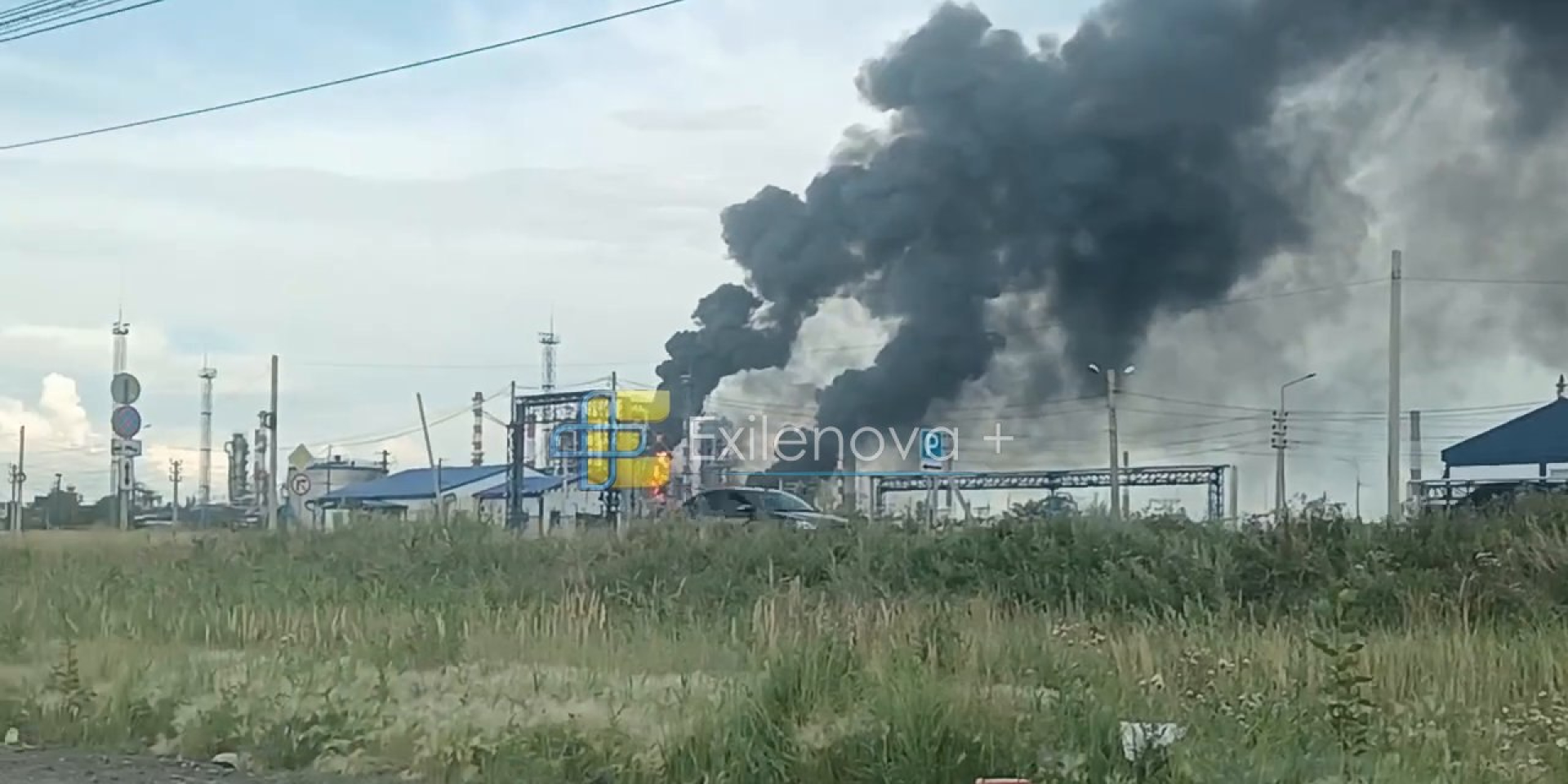
The aftermath of the strike on the Omsk Oil Refinery (Photo: Exilenova+ / Telegram)
Valerii Zaluzhnyi, Ukraine's ambassador to the United Kingdom and former commander-in-chief of the Armed Forces of Ukraine, described Ukrainian strikes on Russian logistics routes and oil refineries as only a "temporary success," adding that the war remains one of attrition, in which every success or setback "inevitably carries a price" in a column published by Interfax-Ukraine on July 8.
The former army chief argued that in 21st-century warfare, the line between tactical, operational, strategic and political objectives has increasingly blurred. In the past, individual tactical achievements or temporary disruptions to logistics and critical infrastructure could help accomplish political goals, citing the early stage of Ukraine's Anti-Terrorist Operation (ATO) in the country's east as an example.
However, Zaluzhnyi said, modern warfare is fundamentally different, because "advances in science and technology have made it effectively impossible to achieve tactical objectives on the ground."
"These tangible and significant achievements in striking logistics routes and critical infrastructure are only a temporary success, which — depending on the competence of Russia's military leadership — will inevitably return with equal or greater force against our side," the envoy said.
He added that the M14 highway and the city of Kherson "clearly demonstrate" how logistics function between major frontline cities under conditions of drone warfare. According to Zaluzhnyi, the fate of other cities "is only a matter of time."
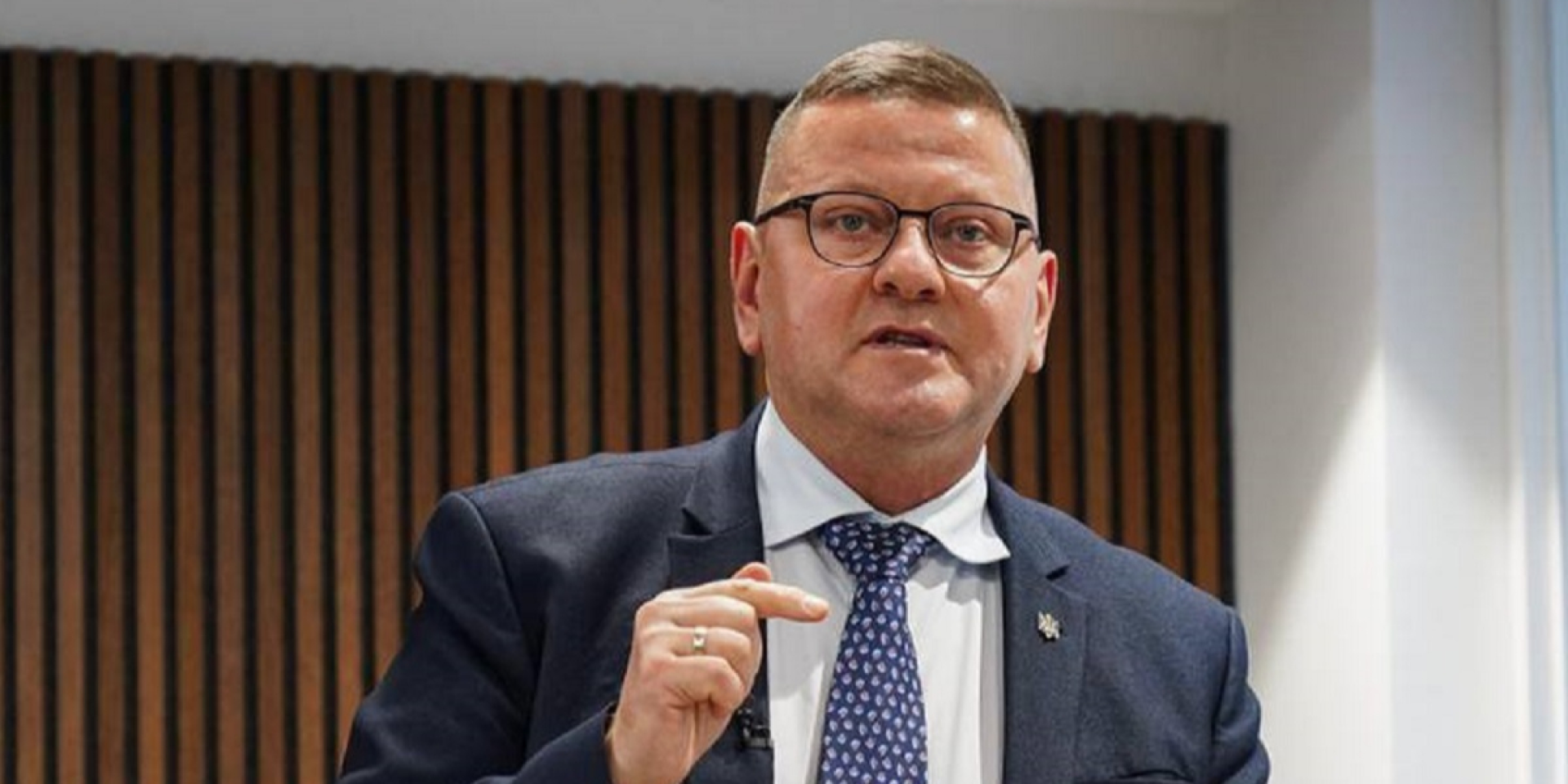
"This is a war of attrition, where any success or failure inevitably carries a price — one that will always be disproportionately high relative to the actual capacity to sustain that success," the former commander-in-chief said. “And it is precisely this threshold of tolerance for the price that determines survival. Therefore, to speak of achieving political goals or winning the war through tactical actions on the battlefield, or even through effective strikes on logistics and critical infrastructure, clearly goes beyond common sense.”
Zaluzhnyi added that reports of individual tactical successes on the battlefield and painful strikes on logistics and infrastructure "should not inspire fantasies about an imminent end to the war."
Ukraine's strikes on Russian oil refineries
President Volodymyr Zelenskyy said on June 1 that Ukrainian forces had struck 15 Russian oil refineries since the start of the year, knocking out nearly 40% of Russia's primary oil-refining capacity as of May.
Ukraine's Defense Ministry said on July 1 that the Defense Forces struck 11 Russian oil refineries in June alone.
Ukraine's General Staff confirmed on July 6 that it had struck the Omsk refinery, located nearly 1,550 miles (2,500 kilometers) from Ukraine's border — the last of Russia's 11 largest gasoline producers to be hit by the Defense Forces. The Omsk refinery is also the most powerful on Russian territory and has one of the highest oil-refining depths in the country, at roughly 99%.
The military war may be swinging in our favor, but the information war continues.
Just as an army needs soldiers, so does a free society need its journalists to ensure that people have access to honest, trustworthy voices to understand the world around them.
For the past five years, The New Voice of Ukraine has been working tirelessly to push back against Russian narratives and defend democracy. But we cannot do it alone.
Please consider supporting us on Patreon for just $5 a month – your donation does directly to supporting journalists and ensuring that this front of the infowar says solid and defended.
Thank you.
Follow us on Twitter, Facebook and Google News
