

Zelenskyy calls Graham's sanctions bill a powerful tool against Russia
 Read NV on Google
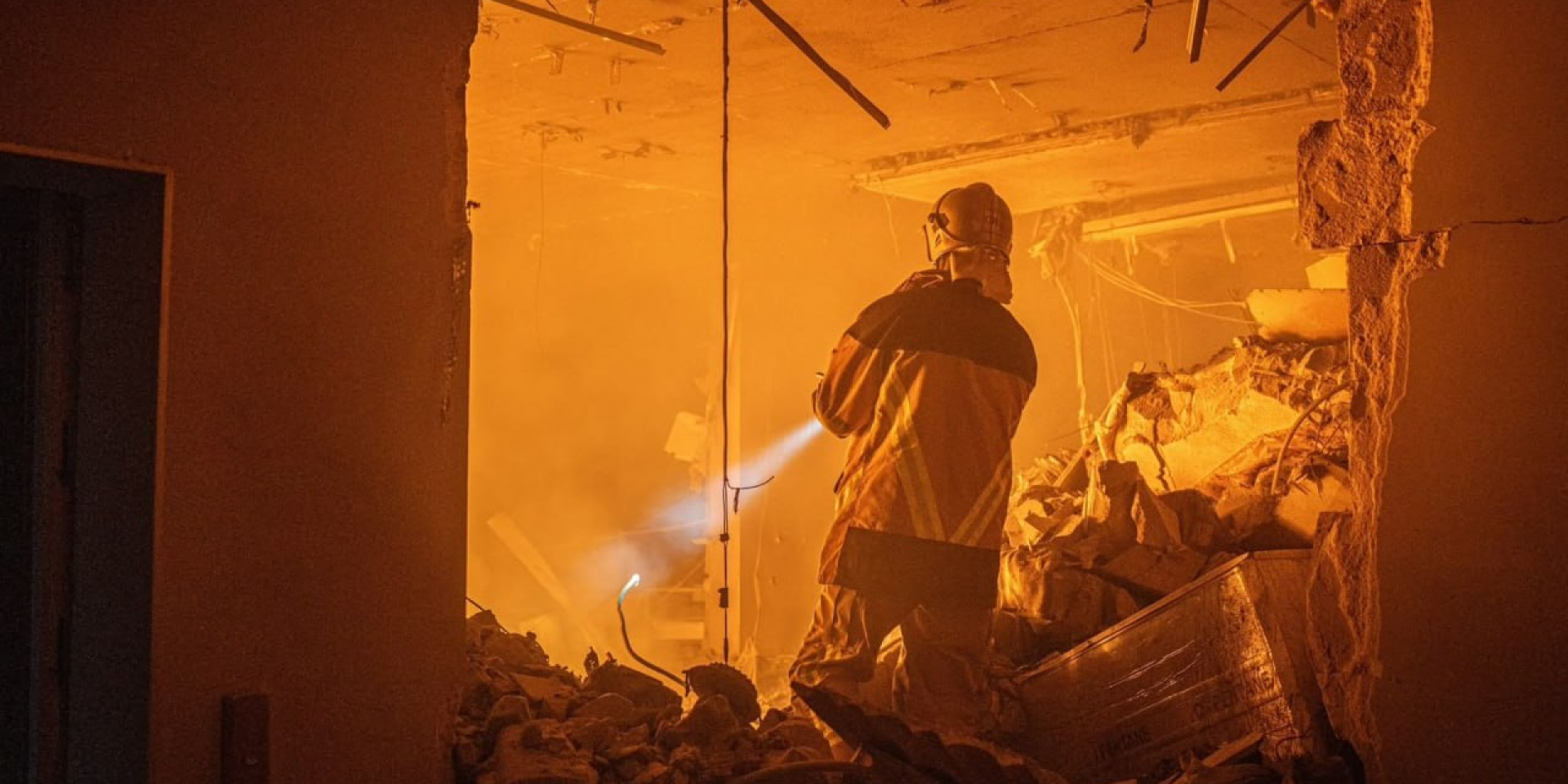
A fire caused by a Russian attack overnight into September 17 (Photo: State Emergency Service of Odesa Oblast / Telegram)
It was symbolic that the U.S. House of Representatives passed Sen. Lindsey Graham's sanctions bill on the same night Russia launched another strike on Ukraine using ballistic and other missiles, as well as drones, President Volodymyr Zelenskyy said on X on Sept. 17.
The Ukrainian leader thus reacted to the bill's passage — legislation the late Republican senator had worked on — and to Russia's overnight strike on Ukraine on Sept. 17.
"The Lindsey Graham bill, along with other strong sanctions steps by our partners against the source of this war – against Russia – is an extremely powerful tool that can stop this terrorist war and bring Russia to the point where it has to make peace," Zelenskyy said.
The president stressed that sanctions need to be strong for peace efforts and diplomacy to succeed.
"I thank the members of the House of Representatives, senators, and leaders of the U.S. Congress for supporting this legislation. Russia needs to end this war," Zelenskyy added.
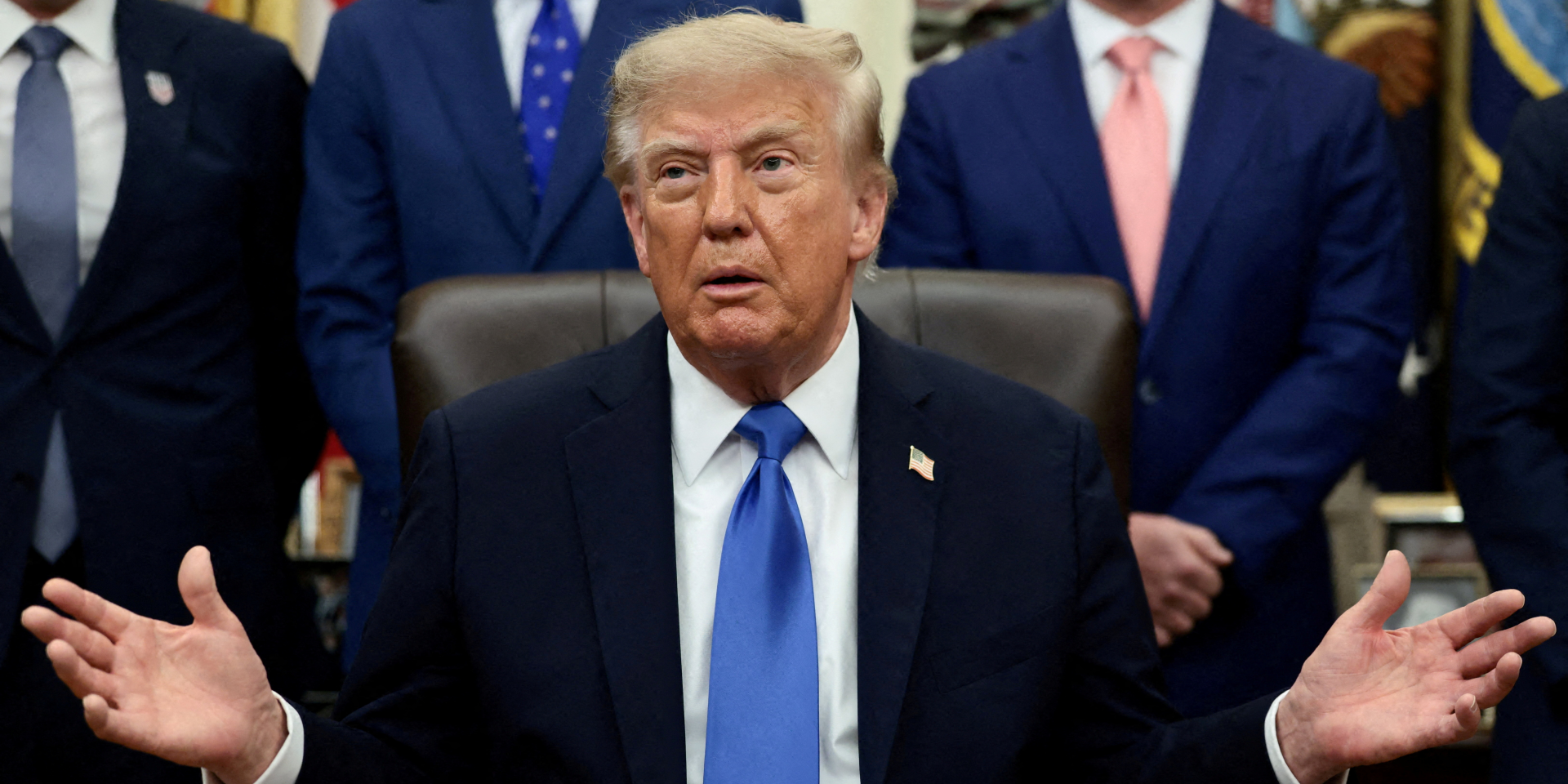
Commenting on the overnight strike, Zelenskyy said civilian infrastructure was targeted again, with damage recorded in eight regions.
In the Sumy and Odesa oblasts, Russian forces struck energy infrastructure, while in Kyiv and Odesa, strikes hit residential buildings. More than 10 people were injured, including children, the president said.
According to Ukraine's Air Force, Russian troops attacked Ukraine overnight into Sept. 17 (from 6 p.m. Sept. 16) with various types of missiles, Banderol/Dan-T munitions and Shahed strike drones. As of 8 a.m., Ukrainian air defenses had shot down or suppressed 131 targets.
Missile and drone strikes were recorded at 36 locations, with debris from intercepted munitions falling at five additional sites.
Lindsey Graham's Russia sanctions bill
In early April 2025, a bill imposing new sanctions on Russia was introduced in the U.S. Senate, proposing a 500% tariff on imports from countries that continue purchasing Russian oil and other raw materials. The bill was co-authored by Sens. Lindsey Graham, a Republican, and Richard Blumenthal, a Democrat.
In June 2025, The Wall Street Journal reported that the Trump administration was pressing Graham to soften the bill. Politico also reported the legislation could be significantly weakened before passage.
On July 10, 2026, Graham announced at a news conference during a visit to Kyiv that he had reached an agreement with the White House on a new version of the Russia sanctions bill.
On Sept. 16, the House of Representatives gave final approval to the bill strengthening sanctions against Russia, with 262 lawmakers voting in favor and 159 against.
The bill significantly expands sanctions pressure on Russia. Among its provisions, it grants the American president authority to impose tariffs of up to 100% on countries that continue purchasing Russian energy.
The legislation also expands restrictions on Russia's military leadership, financial, and energy sectors, foreign suppliers and shadow-fleet vessels, and tightens controls on exports of goods Russia could use to manufacture weapons.
The military war may be swinging in our favor, but the information war continues.
Just as an army needs soldiers, so does a free society need its journalists to ensure that people have access to honest, trustworthy voices to understand the world around them.
For the past five years, The New Voice of Ukraine has been working tirelessly to push back against Russian narratives and defend democracy. But we cannot do it alone.
Please consider supporting us on Patreon for just $5 a month – your donation does directly to supporting journalists and ensuring that this front of the infowar says solid and defended.
Thank you.
Follow us on Twitter, Facebook and Google News
