

Empty road to Kramatorsk on May 9 reveal surreal life near Ukraine’s frontline
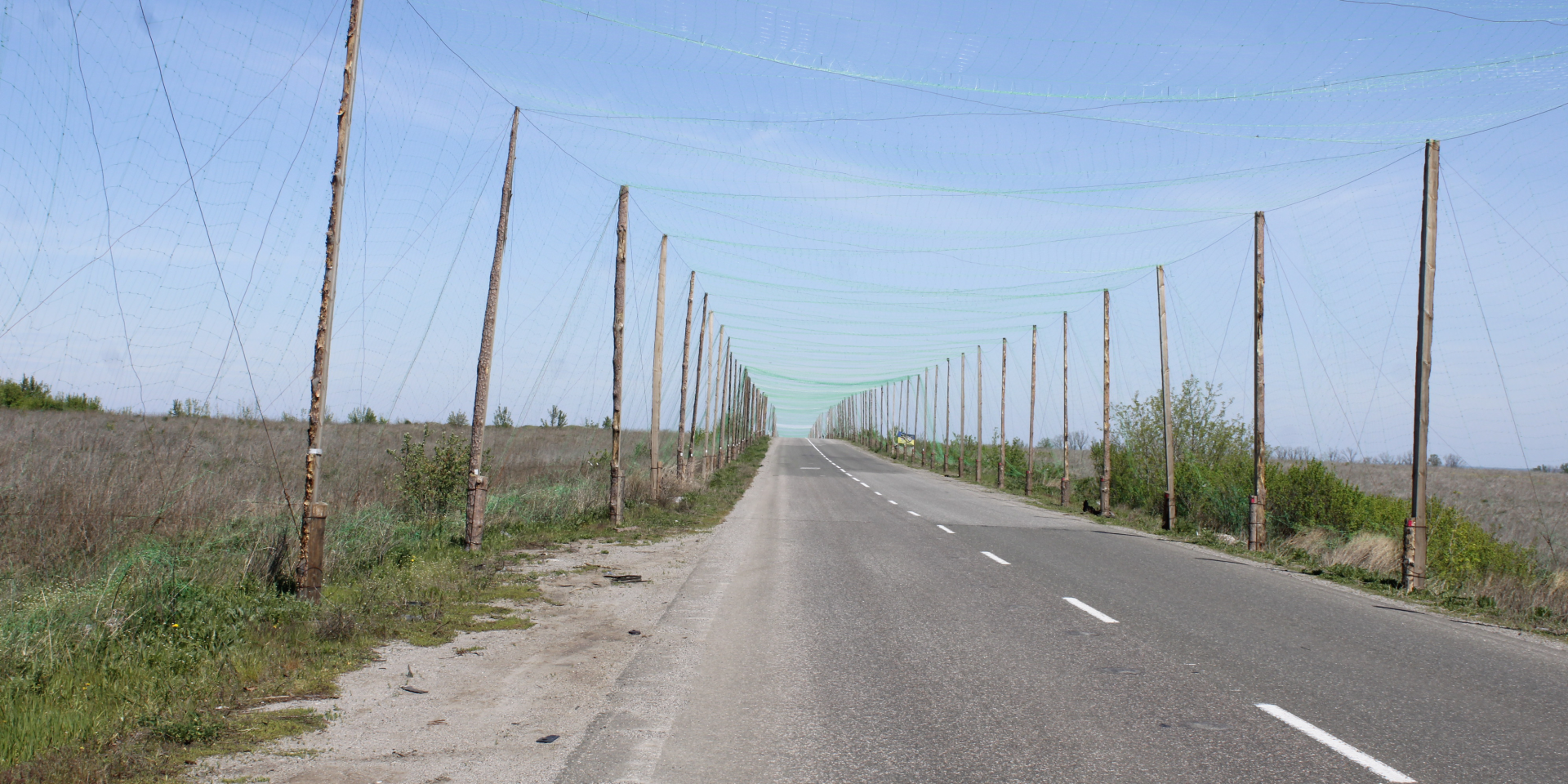
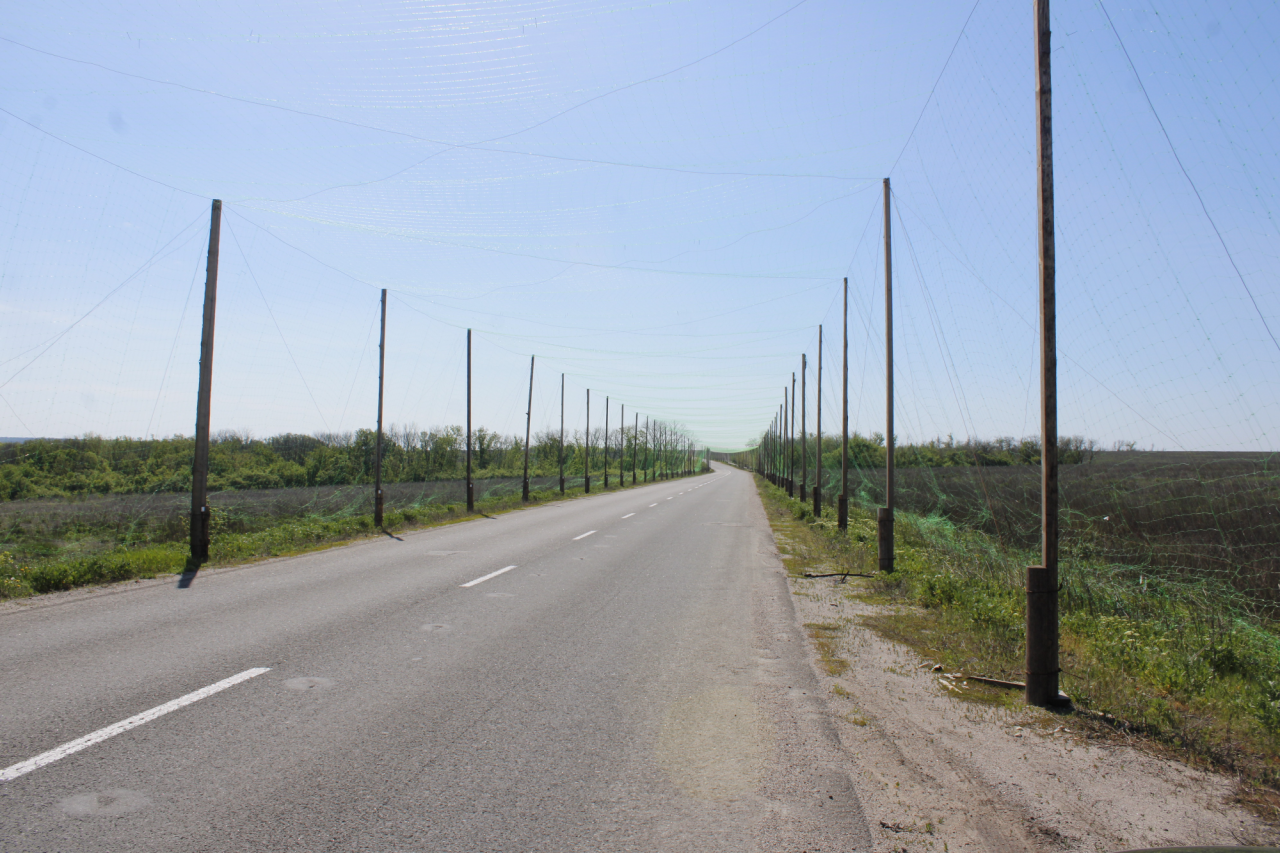
Anti-drone nets stretched above the highway near Kramatorsk during a temporary ceasefire on May 9 (Photo: Demian Shevko)
On May 9, while Vladimir Putin, helped indirectly by Donald Trump’s pressure for a temporary ceasefire, managed to avoid Ukrainian drones over Moscow’s Victory Day parade, I decided to drive from Kharkiv to Kramatorsk.
It is roughly 200 kilometers along what used to be one of eastern Ukraine’s busiest highways. Before the full-scale invasion, this road carried tourists, truck drivers, families, students and commuters. Now it feels abandoned.
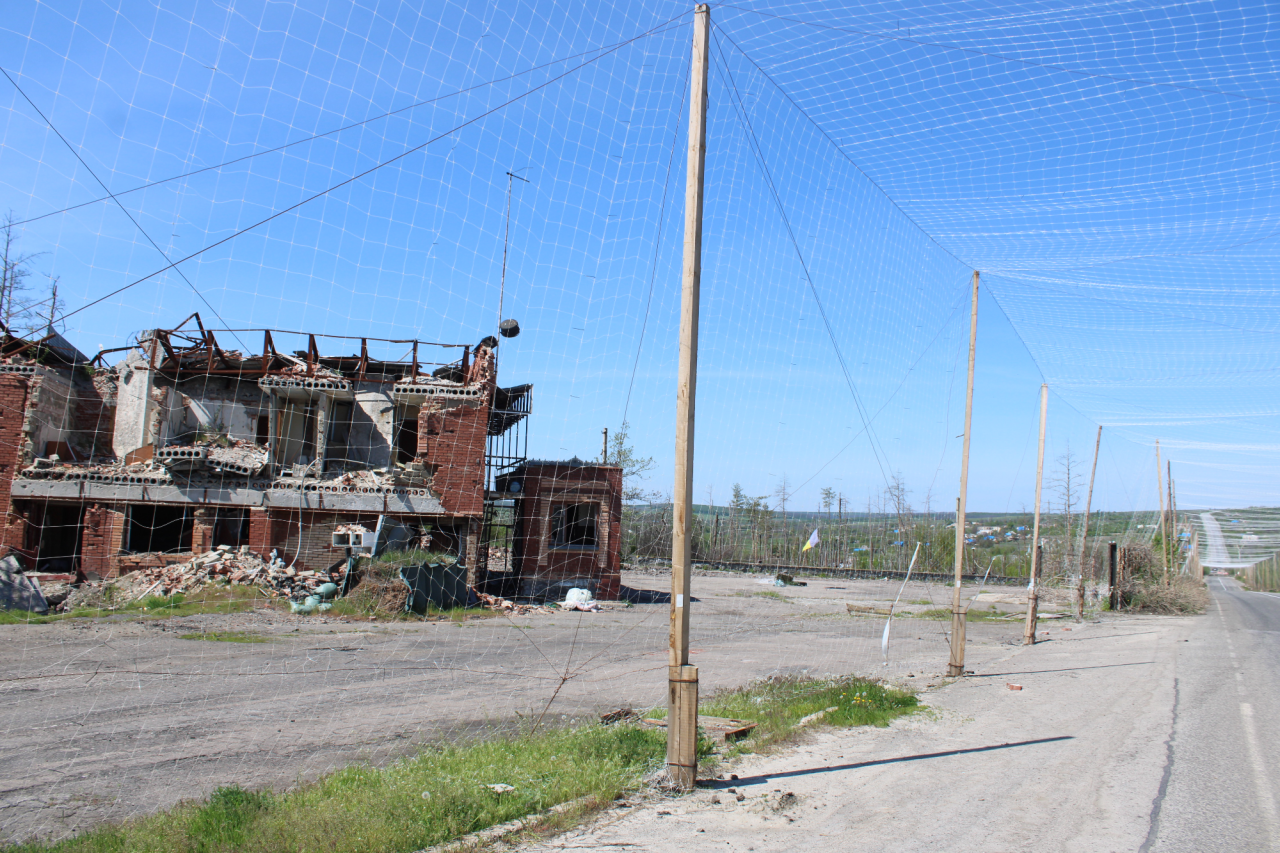
The closer you get to Donbas, the more the road itself becomes a chronicle of the war. Along the highway stand the skeletons of destroyed military vehicles and burned civilian cars, many already rusting into the landscape after years under rain, snow and sun. Entire villages appear dead: shattered homes, collapsed roofs, empty courtyards overtaken by weeds and grass. Some places look as if their inhabitants simply vanished one day and never returned.
And most probably never will.
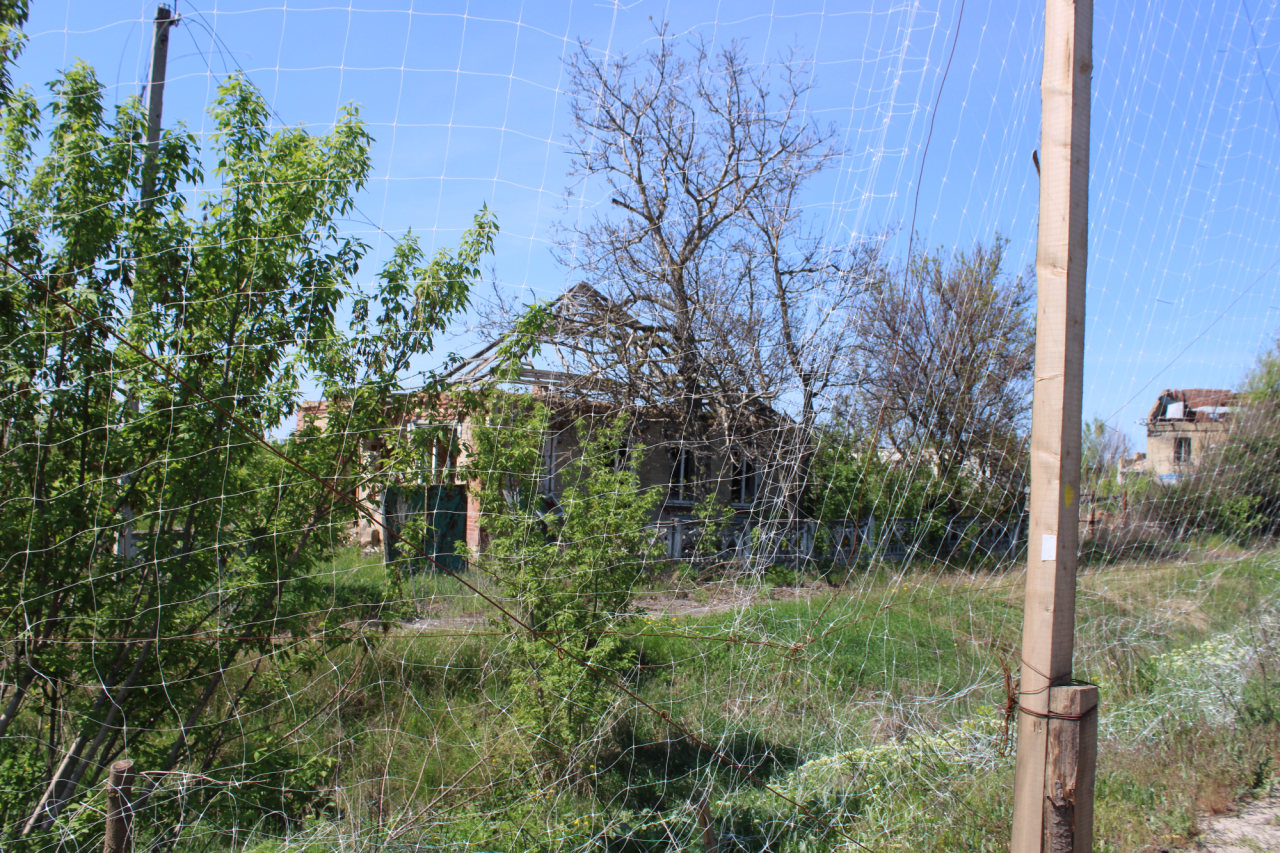
These ruins remain silent reminders of the brutal battles of 2022 between the Ukrainian Armed Forces and the invading Russian army.
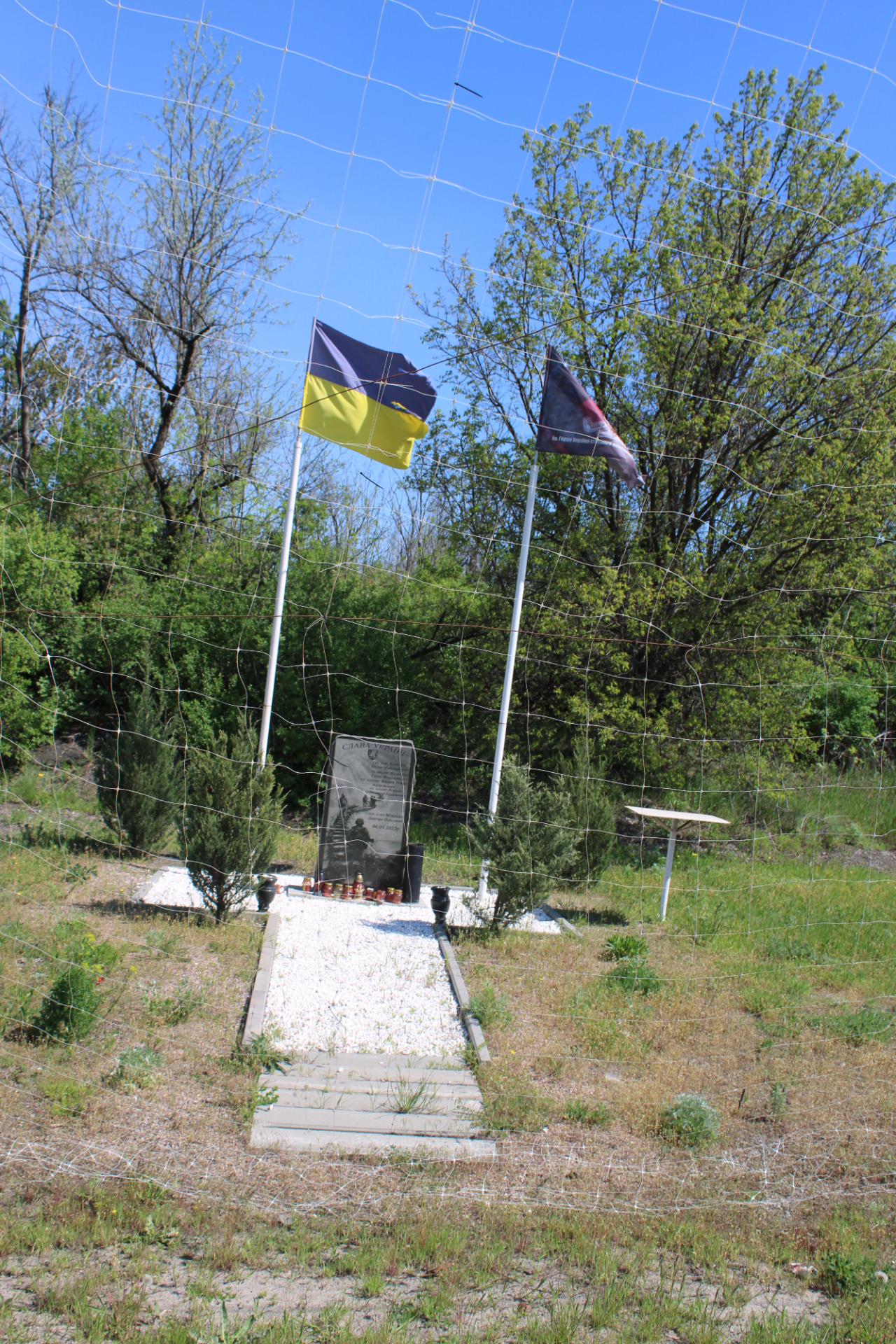
Along the road, small memorials marked with Ukrainian flags and brigade banners appear one after another, commemorating soldiers killed in battles fought along this highway.
Another thing immediately catches your eye: long stretches of anti-drone nets installed above the roads.
These are giant physical mesh canopies suspended over sections of the highway. Their purpose is brutally simple: if an FPV drone attacks a vehicle, it may become entangled before reaching its target.
Driving beneath them creates a strange psychological effect. If you are not used to frontline roads, the nets constantly remind you that the war is physically above your head.
Even during the ceasefire, teams of soldiers were using the temporary lull to install new sections of netting along the route. Construction vehicles stood near the roadside while soldiers stretched fresh cables and mesh across the asphalt. The work continued methodically, almost routinely, as if this had become another form of road maintenance in wartime Ukraine.
But soldiers I spoke with admitted the nets are often more psychological protection than real defense.
FPV drones can still enter these corridors through intersections, openings or side roads. Operators simply adapt. Increasingly, Russian forces are also using fiber-optic drones connected by thin cables rather than radio signals, making them almost impossible to jam electronically.
Some soldiers described another increasingly common tactic: “waiting drones.” FPV drones are hidden near roadsides, fields or ruined buildings while operators sit somewhere perhaps 15 or 20 kilometers away, watching live feeds. The drone remains motionless until a target appears, whether a military pickup truck, an armored vehicle or even a civilian car, before suddenly lifting into the air and attacking. In that situation, all you can hope for is that the Russian drone operator is too lazy to keep watching the monitor.
The nets, the drones and the countermeasures all reflect the constantly evolving technological competition that defines this war. One side develops a solution, while the other immediately searches for a way around it. Then the cycle begins again.
Modern war increasingly resembles an endless engineering race fought in real time.
The day itself was strangely beautiful. Clear blue sky. Warm sunlight. Almost no civilian traffic. The emptiness felt unnatural, especially on May 9, a date that once symbolized Soviet triumph and mass celebration across this entire region.
There were several checkpoints along the way, but unlike previous trips, the atmosphere felt unusually relaxed. Soldiers checked documents almost casually. Rumors about the ceasefire circulated everywhere. There was visible relief that no major Russian missile strike had accompanied the Moscow parade. Ukrainian soldiers joked about it openly. For a brief moment, there was a strange sense of pause in the war.
But only a pause.
When I entered Sloviansk and later Kramatorsk, two Donbas cities that effectively form one urban agglomeration, I was entering what has become the administrative and logistical center of the part of Donbas still controlled by the Ukrainian government after Russia occupied much of the region.
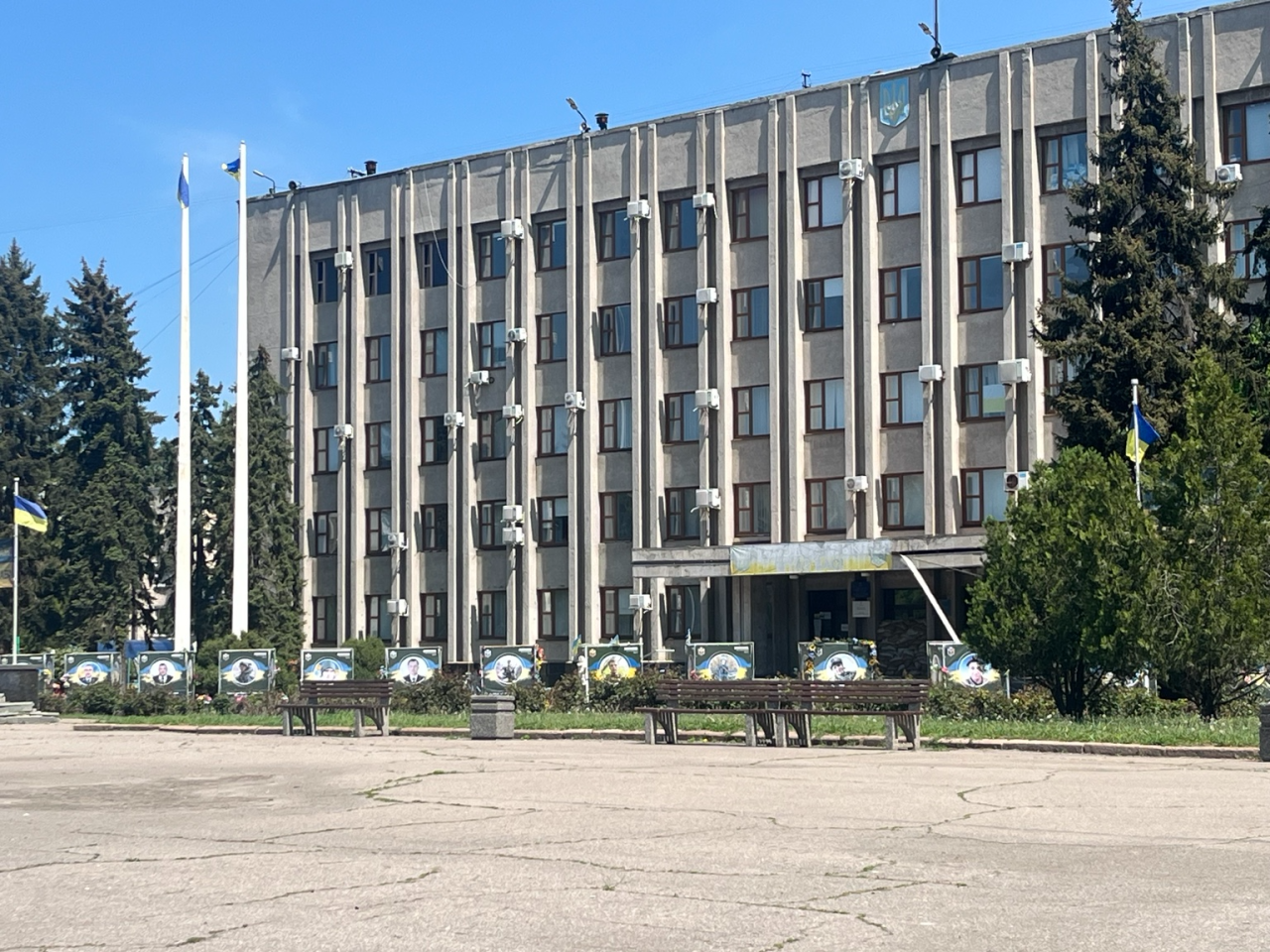
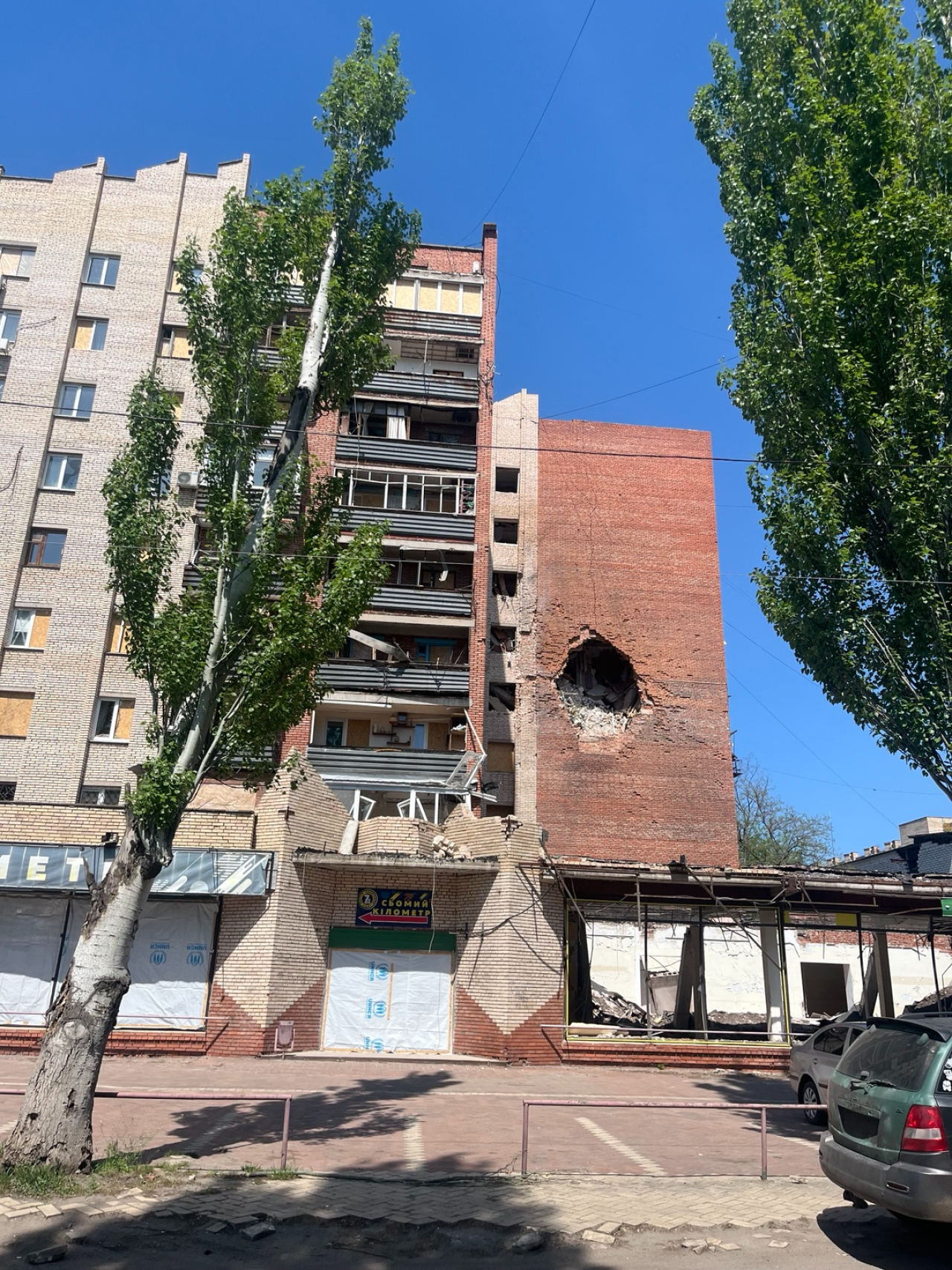
I immediately remembered my previous visits one-and-a-half or two years ago. The same shattered apartment blocks. The same broken windows covered with plywood. The same wounded urban landscape. What changed most was not the destruction itself, but the people.
Back then, there was tension in the air, but locals were still willing to speak to journalists. This time was different. I approached perhaps 20 people throughout the afternoon, asking simple questions about life in the city, the situation and the ceasefire rumors. Almost everyone refused to talk, let alone be photographed.
What also changes your perception of these cities are the anti-drone nets stretched above major streets, the same ones I had been driving beneath on the highway. They cover parts of central roads like protective tunnels. If you are not used to them, they create a constant low-level anxiety, a physical reminder that the frontline is close even when the sky is quiet.
But the sky never felt truly calm.
As I sat in a cafe drinking tea with several soldiers who had welcomed me to the city, we talked casually about everyday things, the frontline, drones and the strange atmosphere of May 9. Then, almost instinctively, the conversation stopped.
We heard the distinct buzzing sound of an FPV drone somewhere nearby.
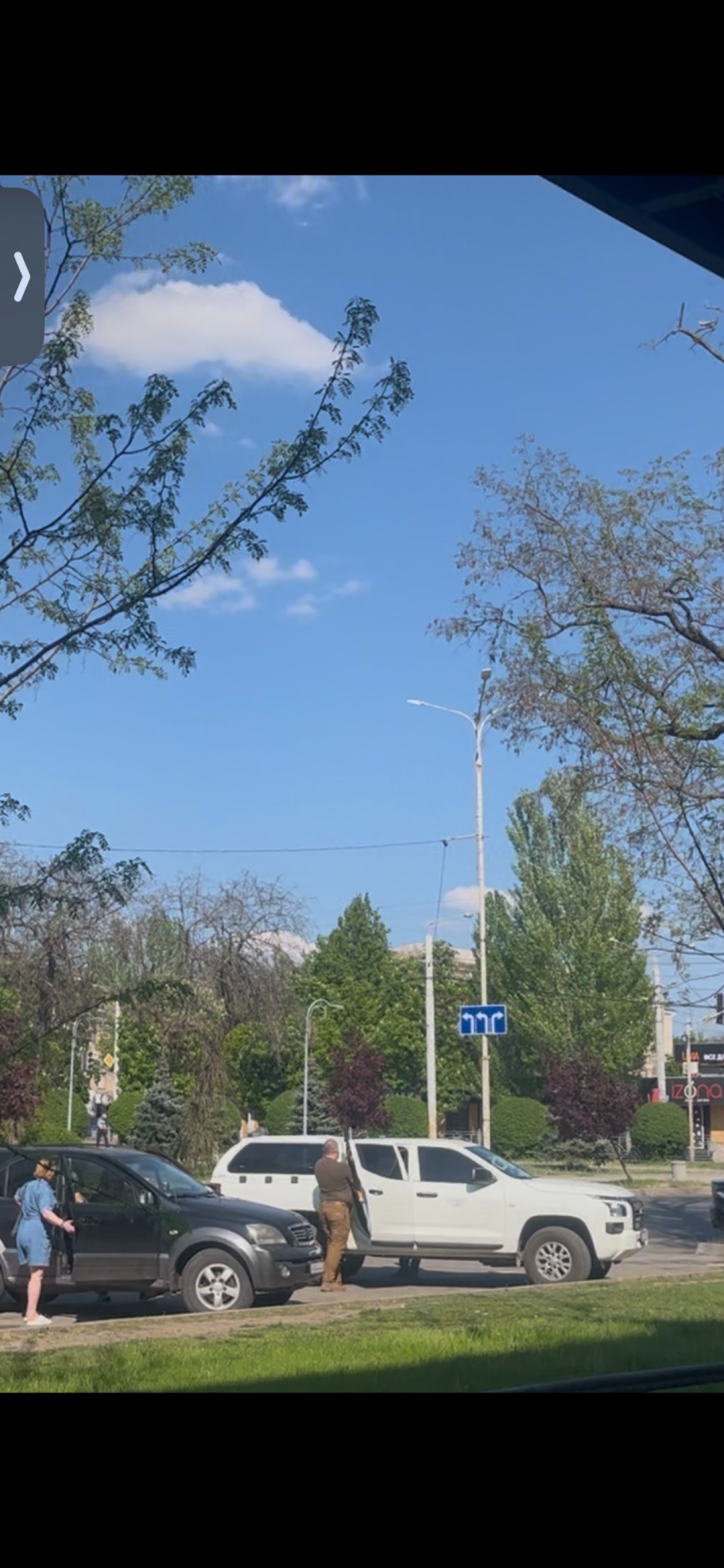
Within seconds, several soldiers around us automatically grabbed their rifles and began scanning the sky, trying to locate the drone before it could locate them. The reaction was immediate, almost mechanical, shaped by months and years of repetition.
Eventually, the sound faded away. The drone disappeared somewhere beyond the buildings, and none of us knew what happened next or where it went.
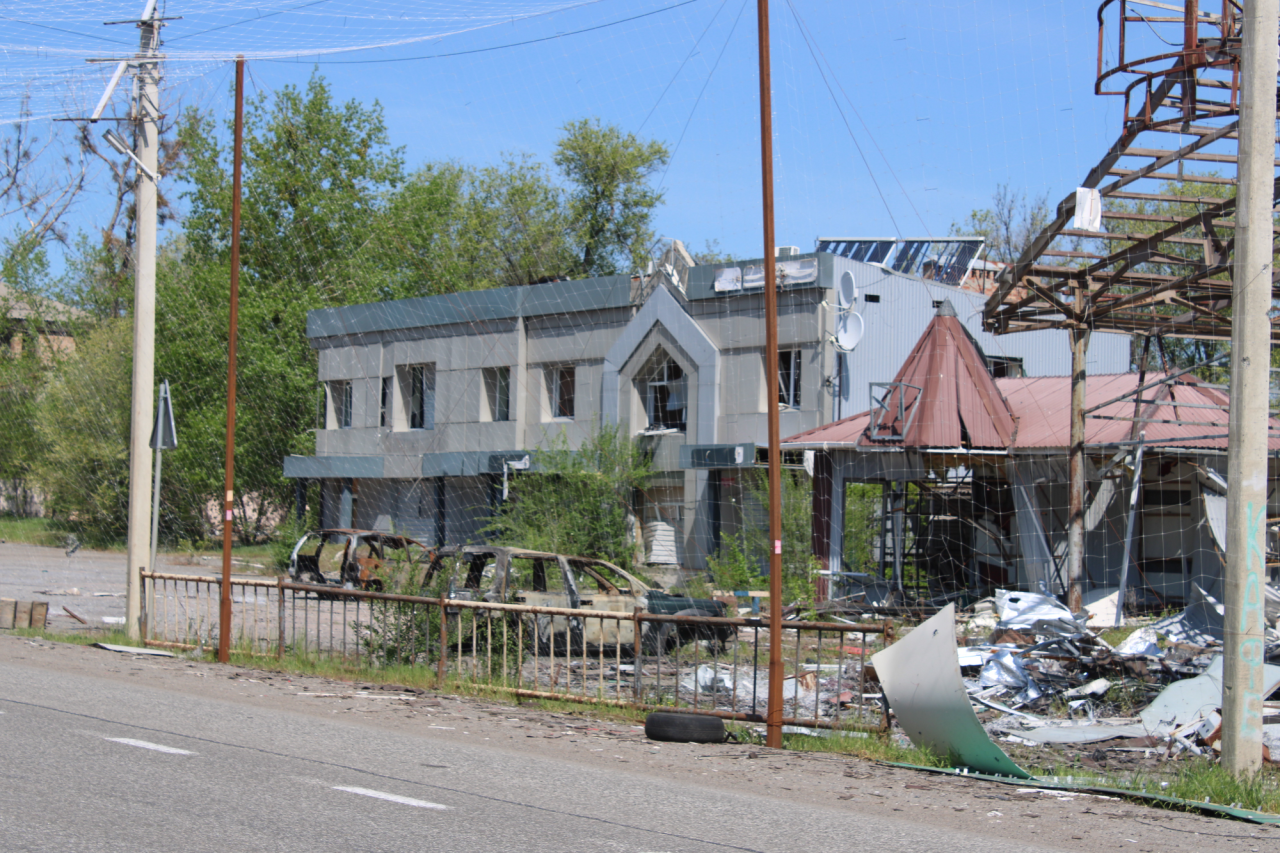
Later, my friends took me on a drive through Kramatorsk and several nearby villages where they still considered it relatively safe to travel. In the distance, we could still see Russian FPV drones striking somewhere on the horizon, with columns of smoke rising into the sky. Some Russian operators, apparently, decided to celebrate May 9 in their own way.
It was a reminder that even on Victory Day, even during diplomatic theater and public declarations, the war never truly stopped.
With all that, Kramatorsk is still considered relatively safe. “Relatively” in Donbas means roughly 10 to 20 kilometers from the frontline.
Even eight or 12 months ago, many journalists preferred staying in Druzhkivka, another Donbas town located just a few kilometers from Kramatorsk and slightly closer to the eastern frontline. It felt safer then. Now even soldiers who welcomed me advised against going there despite the ceasefire rumors. Konstantynivka is in an even worse state. People describe it as beginning to resemble Avdiivka or Bakhmut in their final stages, slowly emptied, destroyed and consumed by war.
Kramatorsk itself once had a population of around 150,000 people, with at most one-third of its residents still remaining in the city today. Now the city feels dominated by the military presence. In many shops and cafes, you see more armed soldiers than civilians. Soldiers stand in line for coffee, buy energy drinks and cigarettes, quietly discuss rotations and drones, while the remaining civilian population moves through the city almost invisibly.
Another striking detail that leaves little doubt that Kramatorsk has become a true frontline city is the sheer number of SUVs and pickup trucks with foreign license plates.
Under Ukrainian law, imported vehicles are supposed to be re-registered with Ukrainian plates. But here, almost nobody pays attention to that anymore, including the police.
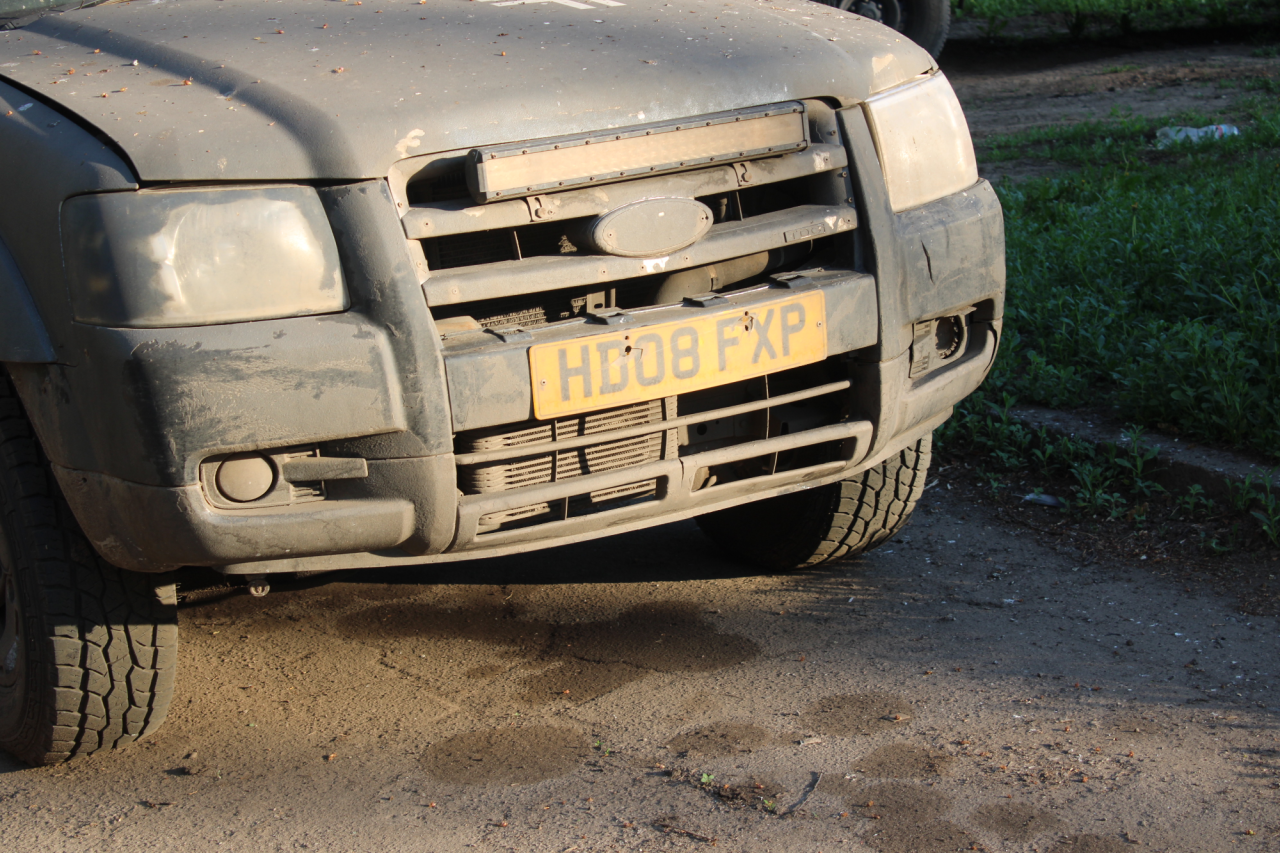
The reason is simple: cars near the frontline are treated as expendable assets.
For soldiers, volunteer vehicles are tools of survival rather than property. Spending time dealing with paperwork and paying additional taxes for a vehicle that could be destroyed by a Russian drone within days or even hours no longer feels particularly rational.
Wartime economics are visible everywhere too. Prices in supermarkets, cafes and small stores feel noticeably higher than in Kharkiv, perhaps 20% to 30% more expensive. Logistics near the frontline have become dangerous and unpredictable. Not every trucking company or driver is willing to deliver supplies into these areas anymore, and the cost of risk is built into almost everything.
The atmosphere changes completely after sunset.
When I drove back to my rented apartment in the evening, the city disappeared into darkness. No streetlights. No traffic. No pedestrians. Just black streets, occasional military vehicles and silence. A frontline city conserving electricity and trying not to attract attention from the sky.
And yet traces of international life remain in unexpected places.
In several cafes, to my surprise, I noticed menus translated into English, a quiet sign of how many foreign volunteers and soldiers pass through these cities on their way to nearby units and positions.
The trip to Kramatorsk on May 9 felt strange and surreal to me. For a brief moment, something resembling peace seemed to exist in a frontline city surrounded by ruined villages, silent roads, anti-drone nets and occasional FPV strikes flashing somewhere on the horizon.
But perhaps the strangest part was not the war itself. It was how ordinary all of it had already become for the people still living and fighting there.
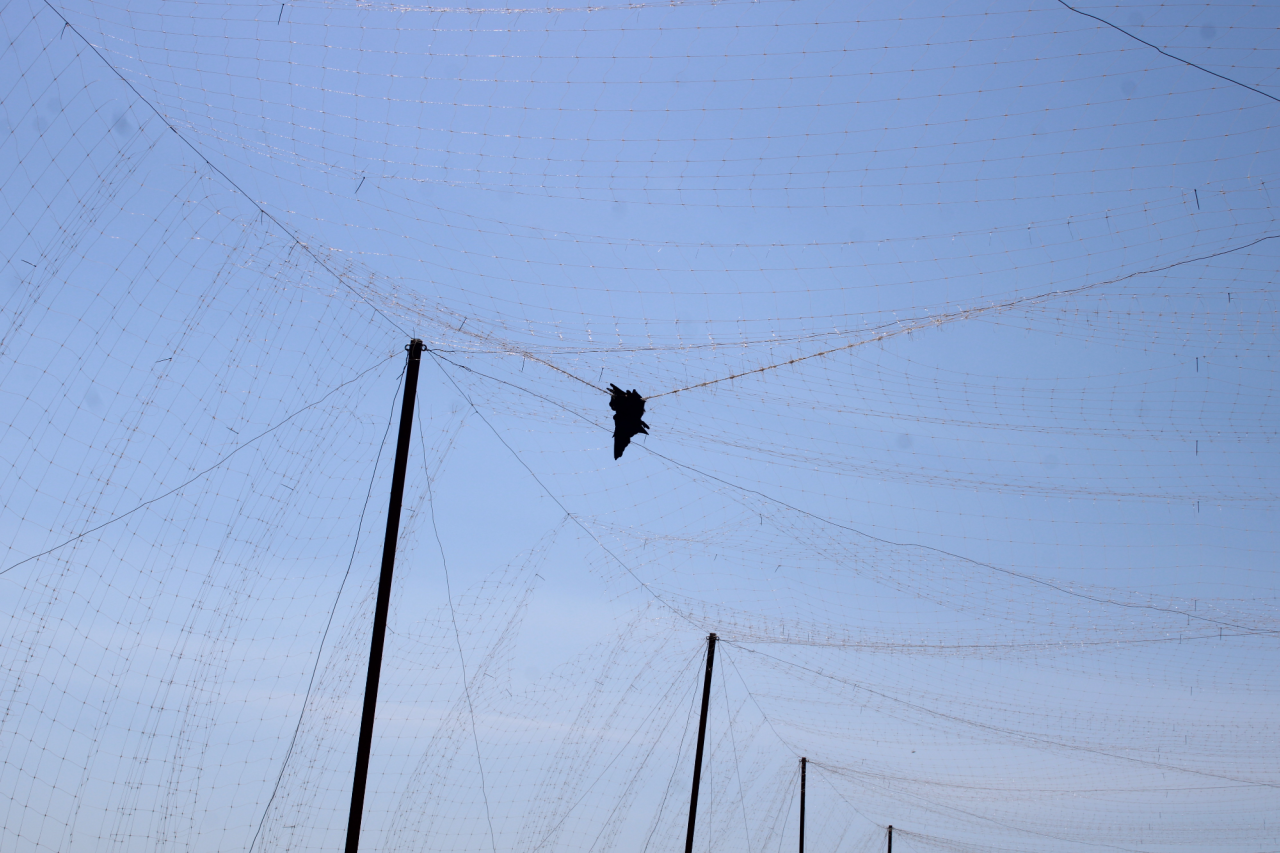
The next morning, I took the same road back to Kharkiv. Along one of the empty stretches beneath the anti-drone nets, I noticed a dead bird tangled high above the highway, trapped inside the mesh designed to catch FPV drones. It was a small and almost accidental detail, but it felt strangely symbolic. Even nature here has become entangled in the mechanics of this war.
Will you support Ukraine’s free press?
Dear reader, as all news organizations, we must balance the pressures of delivering timely, accurate, and relevant stories with requirements to fund our business operations.
As a Ukrainian-based media, we also have another responsibility – to amplify Ukraine’s voice to the world during the crucial moment of its existence as a political nation.
It’s the support of our readers that lets us continue doing our job. We keep our essential reporting free because we believe in our ultimate purpose: an independent, democratic Ukraine.
If you’re willing to support Ukraine, consider subscribing to our Patreon starting from 5$ per month. We are immensely grateful.
Please help us continue fighting Russian propaganda.
Truth can be hard to tell from fiction these days. Every viewpoint has its audience of backers and supporters, no matter how absurd.
If conscious disinformation is reinforced by state propaganda apparatus and budget, its outcomes may become deadly.
There is no solution to this, other than independent, honest, and accurate reporting.
We remain committed to empowering the Ukrainian voice to push against the muck. If you’re willing to stand up for the truth – consider supporting us on Patreon starting from 5$ per month. Thank you very much.
Will you help tell Ukraine’s story to the world?
Twenty years ago, most people hadn’t even heard of Ukraine. Today, the country is on everyone’s lips and everyone’s headlines. War pushed us on the front page. But there are many other things we do that we are proud of – from music and culture to technology.
We need your help to tell the world Ukrainian story of resilience, joy, and survival. If you’re willing to back our effort, consider supporting us on Patreon starting from 5$ per month. We are immensely grateful.
Follow us on Twitter, Facebook and Google News
