


Germany’s new military service law triggers protests and unease among Ukrainian refugees
 Read NV on Google
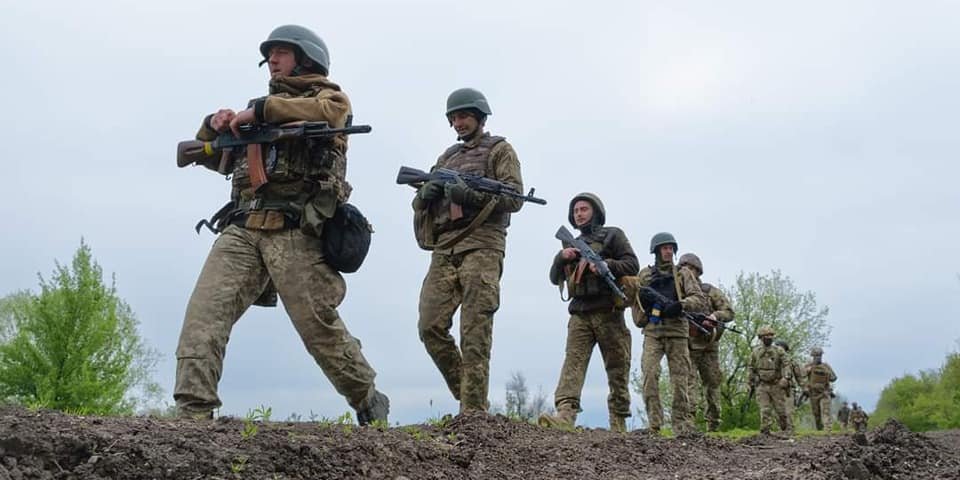
Servicemen (Photo: NV)
On Friday, Dec. 5, 2025, the Bundestag approved a legislative initiative to overhaul the Bundeswehr recruitment system—a new model of military service designed to significantly expand the size of Germany’s armed forces. The bill passed with 323 votes in favor, 272 against, and one abstention.
Beginning Jan. 1, 2026, all young men turning 18 (born in 2008 or later) will receive a mandatory questionnaire asking about their health, education, and willingness to serve. For men, completing it will be compulsory; for women, voluntary.
A medical examination will follow for men—reviving a practice previously used under conscription.
Military service will remain voluntary in the initial phase.
However, if the number of volunteers is insufficient, the law allows for the introduction of Bedarfswehrpflicht (needs-based conscription). Activating it would require a separate parliamentary vote.
Germany plans a substantial increase in its military: by 2035, the active-duty force could rise to 255,000–270,000, with reservists bringing the total to roughly 470,000.
To attract volunteers, the government is offering competitive incentives: 6–11 months of service, competitive pay, and additional benefits such as help obtaining a driver’s license.
Officially, service is still voluntary, and the government insists volunteers remain the priority. But critics argue that the combination of mandatory questionnaires, medical exams, and a built-in “needs-based” conscription trigger is effectively a first step toward restoring mandatory service—albeit in a modernized form.
Youth protests reveal society’s anxiety
As soon as news of the upcoming vote broke, protests erupted across Germany.
A grassroots initiative called Schulstreik gegen Wehrpflicht (“School Strike Against Conscription”) mobilized students nationwide. Demonstrations reportedly took place in as many as 90 cities—from Berlin, Hamburg, and Hannover to smaller university towns. In the capital alone, about 3,000 people marched, with many schoolchildren and university students expressing concern that registering every 18-year-old signals the return of conscription.
Slogans like “Not Our Youth – Not for Your War” appeared frequently.
Opponents of the law also argue that young people who cannot yet vote are now being entered into a system that could obligate them to military service—raising questions about personal freedom, future choices, and democratic legitimacy.
Why the reform now?
German officials, including Defense Minister Boris Pistorius, argue the reform is necessary due to rising security threats—most prominently Russia’s war against Ukraine and the possibility of further aggression in Europe. The law, they say, is designed to ensure the country has enough trained personnel and reservists for emergencies.
The government emphasizes that volunteers will be the foundation of the system, with compulsion used only as a last resort. Still, tens of thousands of recruits must be brought in each year to meet long-term goals.
In short, Germany’s new military service law signals a strategic shift: the country is preparing to expand its armed forces and reserve components amid growing geopolitical instability. While service is technically voluntary, the mechanisms for reinstating mandatory conscription are now in place.
Ukrainians in Germany: Escaping a war, finding a deferred front
For Ukrainians living in Germany, this reform strikes a particularly painful—and painfully ironic—note.
Over the past three and a half years, thousands of Ukrainian families have evacuated their sons, hoping to spare them mobilization, the trenches, and death. They believed Europe was a safe rear. A place to simply live.
And now Germany is establishing a system that explicitly defines every 18-year-old as a potential military resource. Yes, voluntary—for now. But every mobilization system begins the same way: with databases, not rifles.
Those who plan to remain in Germany and consider applying for citizenship are especially anxious. Dual citizenship has been permitted since 2025.
This raises a question that seemed unthinkable until recently: what if a boy evacuated from Ukraine to avoid the front line grows up, receives a German passport, and later finds himself on Germany’s mobilization lists?
Legally, the answer is clear. As long as a person is not a German citizen, they cannot be drafted. But once they become a citizen, they gain not only rights, but obligations. And if Bedarfswehrpflicht is activated, voluntariness will no longer be a matter of choice.
This is where the main paradox of wartime emigration becomes impossible to ignore.
Ukrainian parents did not bring their sons to Europe for comfort or better opportunities. They brought them to escape the war—the very idea that the state can take your child and send him to the front.
But Europe is entering the war as well: slowly, bureaucratically, without air-raid sirens. Through laws, registries, questionnaires, and the imperative of national defense.
The illusion of absolute safety is breaking apart.
For Ukrainians in Germany, this reveals an uncomfortable truth: in today’s Europe, there is nowhere left to run from war.
The military war may be swinging in our favor, but the information war continues.
Just as an army needs soldiers, so does a free society need its journalists to ensure that people have access to honest, trustworthy voices to understand the world around them.
For the past five years, The New Voice of Ukraine has been working tirelessly to push back against Russian narratives and defend democracy. But we cannot do it alone.
Please consider supporting us on Patreon for just $5 a month – your donation does directly to supporting journalists and ensuring that this front of the infowar says solid and defended.
Thank you.
Follow us on Twitter, Facebook and Google News
