

India helps fuel-starved Russia — and brings back the gasoline export tax
 Read NV on Google
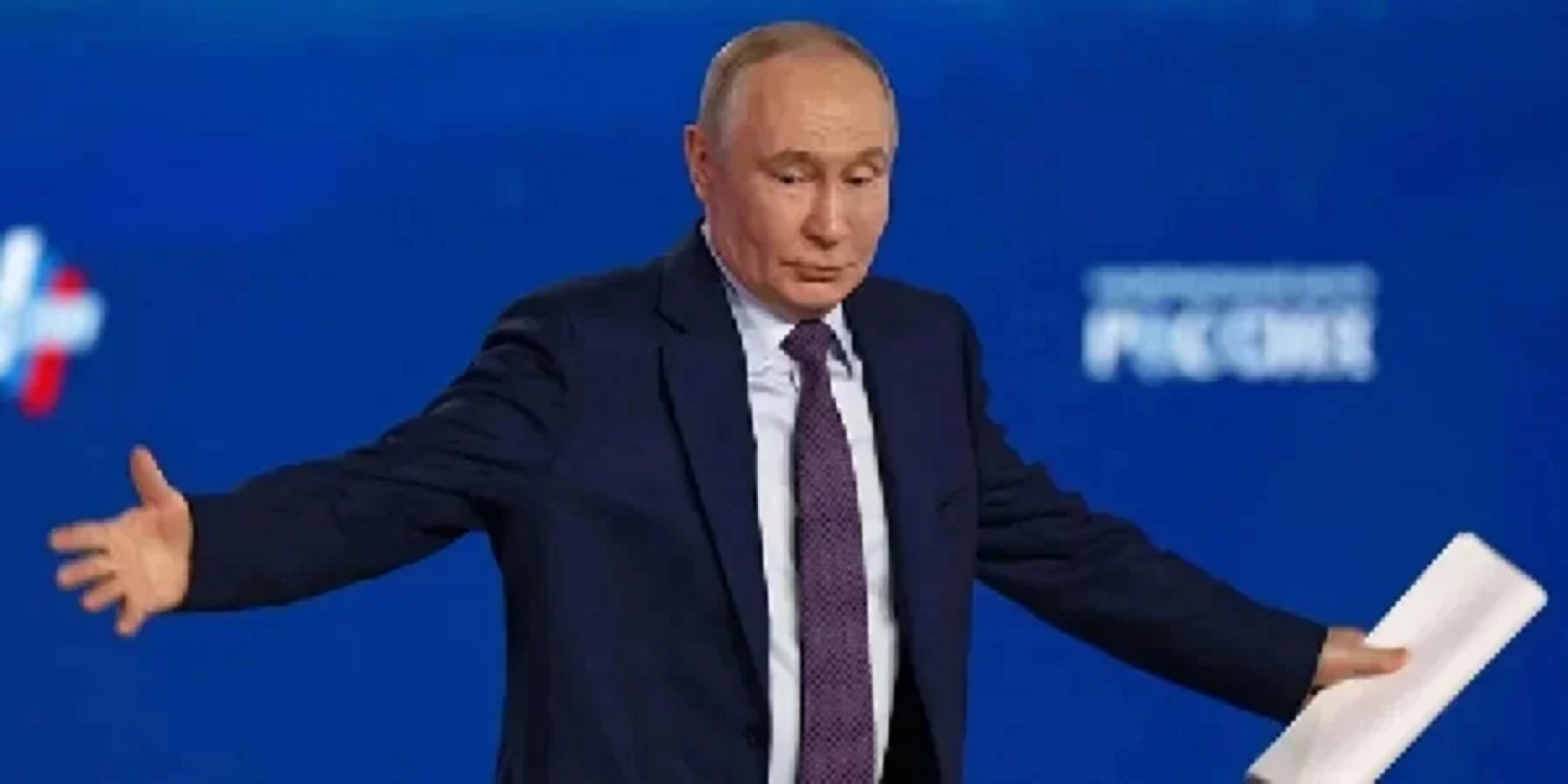
Fuel crisis in Russia hits dictator Vladimir Putin’s approval rating (Photo: REUTERS/Ramil Sitdikov)
India has raised export duties on diesel and reinstated a
levy on gasoline exports while cutting the duty on jet fuel, Business
Standard reported.
The new duties took effect on Sept. 1.
The export duty on diesel was raised from 24 rupees to 25
rupees per liter.
The government also imposed an export duty of 1.5 rupees per
liter on gasoline, up from zero. The export duty on jet fuel was cut from 19.5
rupees to 19 rupees per liter.
The duties are reviewed and adjusted every two weeks based
on average international prices for crude oil, gasoline, diesel and jet fuel
since the previous review.
The previous revision took effect on Aug. 15.
The export duty on diesel was cut from 25.5 rupees to 24
rupees per liter, while the duty on gasoline was cut to zero from 3.5 rupees
per liter.
The duty on jet fuel was set at 19.5 rupees per liter, down
from 22 rupees.
“The government said the current excise duty rates on
gasoline and diesel for domestic consumption remain unchanged,” the publication
said. “The move comes as Indian refineries remain major exporters of petroleum
products, while the government uses export duties as a policy tool to balance
overseas sales with domestic supply amid volatility in global oil markets.”
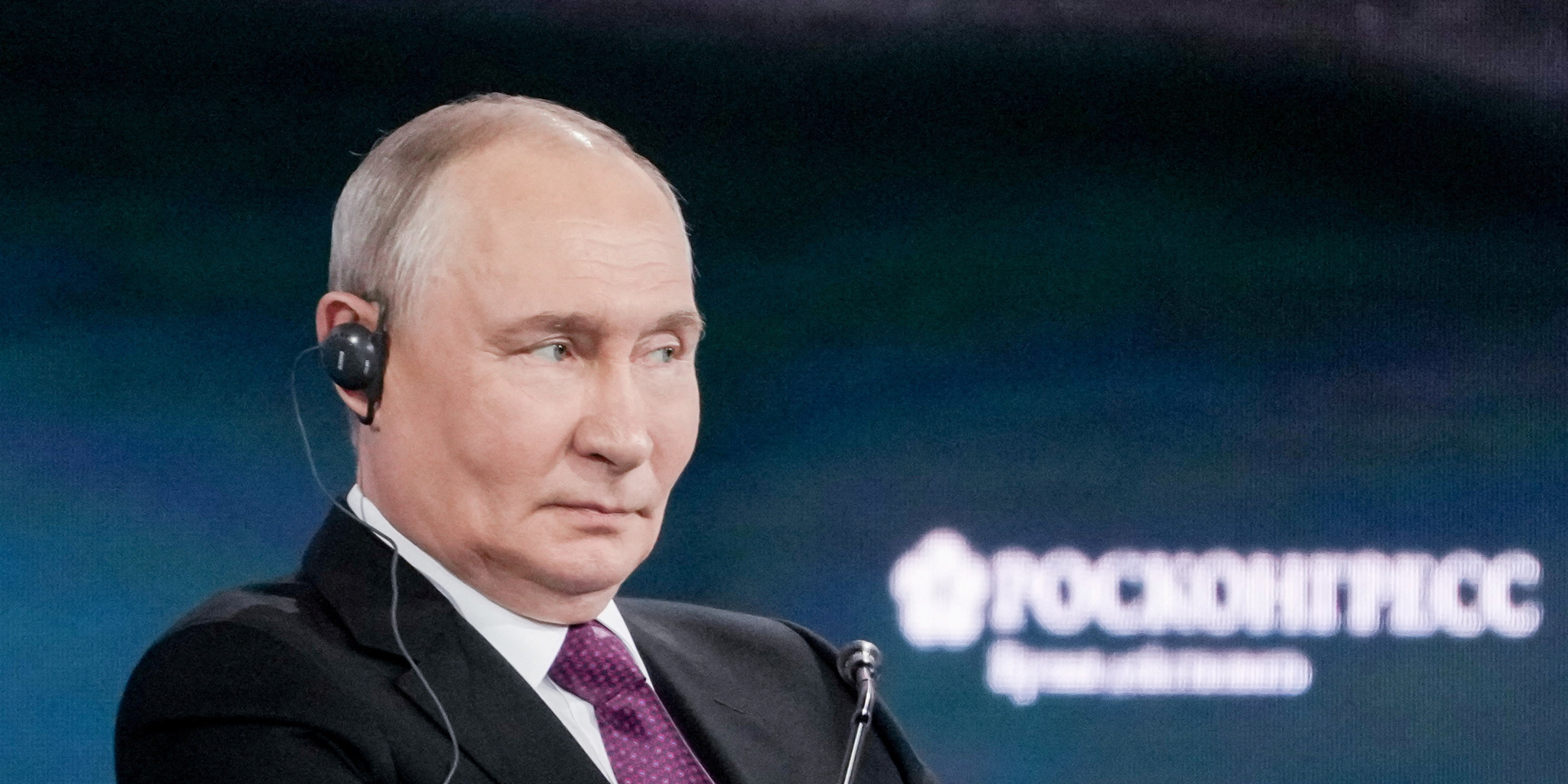
As previously reported, Russian dictator Vladimir Putin,
speaking at the Eastern Economic Forum in Vladivostok, acknowledged that
authorities had not been prepared for the large-scale campaign of Ukrainian
attacks on oil refineries.
The campaign caused a collapse in petroleum product output
and the worst fuel crisis in Russia’s modern history.
Russia faced a second wave of fuel shortages after a record
number of Ukrainian strikes on oil refineries.
According to Bloomberg calculations, Ukraine’s Armed Forces
attacked Russian oil refineries at least 21 times in August — a record for a
single month.
Russia imported nearly 460,000 metric tons of motor fuel
through its seaports in August amid a worsening domestic shortage of petroleum
products caused by Ukrainian attacks on refineries.
Most of the petroleum products imported in August, about
370,000 metric tons, were gasoline shipments from India, Türkiye and Morocco
delivered to Russian ports in the Baltic and Arctic.
The fuel shortage has also affected Russian dictator
Vladimir Putin’s approval rating — it fell by a record 5%, to 66%, its lowest
level in nearly four years, since the fall of 2022.
The military war may be swinging in our favor, but the information war continues.
Just as an army needs soldiers, so does a free society need its journalists to ensure that people have access to honest, trustworthy voices to understand the world around them.
For the past five years, The New Voice of Ukraine has been working tirelessly to push back against Russian narratives and defend democracy. But we cannot do it alone.
Please consider supporting us on Patreon for just $5 a month – your donation does directly to supporting journalists and ensuring that this front of the infowar says solid and defended.
Thank you.
Follow us on Twitter, Facebook and Google News
