


Europe’s competitiveness crisis: is it too late to fix?
In the early 2000s, the European Union was a powerhouse, accounting for over 25% of global GDP despite making up just 7% of the world’s population. This economic strength allowed Europe to play a central role in global trade, drive innovation, and set industry standards.
Fast forward to today, and the EU’s share of global GDP has shrunk to just 17%, even as its population remains around 6% of the global total. A demographic crisis, aging population, and low birth rates are eroding the economic foundation that once made Europe a leader.
The energy burden and industrial decline
One of the EU’s biggest challenges is the soaring cost of energy. Electricity and gas prices in Europe are two to three times higher than in the United States and China, placing a heavy burden on energy-intensive industries such as metallurgy, chemical production, and cement manufacturing. This stark disadvantage has weakened European industry’s ability to compete globally.
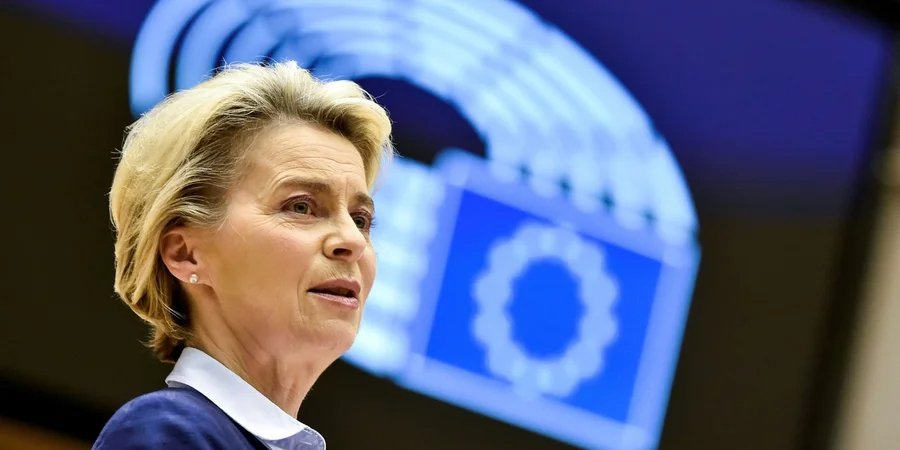
Adding to the problem, about 60% of the EU’s energy resources are imported, leaving the region vulnerable to supply chain disruptions and geopolitical tensions. Europe’s dependence on China for rare earth metals only increases this risk, further exposing the fragility of its industrial base. Compounding the issue is the EU’s fragmented energy infrastructure, which limits the ability to stabilize costs and ensure reliable supply across the bloc.
The startup struggle: bureaucracy vs. innovation
European entrepreneurs face an uphill battle when launching startups, thanks to a bureaucratic maze of regulations that slow down innovation and investment. Burdensome compliance requirements force companies to spend valuable resources navigating red tape rather than scaling their businesses. While Europe has world-class universities and talent, the regulatory environment often pushes high-potential startups to seek funding and expansion opportunities outside the EU.
As a result, only four of the world’s 50 largest technology companies are European, reflecting a broader issue: Europe is falling behind in the global tech race. Without significant reform in financial markets and venture capital access, the EU risks becoming a consumer rather than a creator of technological breakthroughs.
Draghi’s vision: deep integration or stagnation?
Mario Draghi, former head of the European Central Bank and one of the continent’s most respected economists, recently published a report outlining a roadmap for restoring Europe’s competitiveness. His proposals focus on tackling structural weaknesses, such as high energy costs, a fragmented financial system, and a lack of technological leadership.
Among Draghi’s key recommendations:
A single capital market: Completing the Capital Markets Union, standardizing investment rules, and expanding access to venture funding for startups.
A unified defense industry: Harmonizing defense technology standards, joint military procurement, and integrating small and medium-sized enterprises into major defense projects.
A single telecommunications market: Major investments in 5G, unified regulations for mobile operators, and the creation of European “sovereign clouds” to secure data.
An integrated energy market: Connecting national energy grids, joint gas procurement to stabilize prices, and expanding renewable energy sources.
Draghi’s plan would require deeper integration across EU member states, potentially at the cost of national sovereignty. In effect, it moves Europe closer to a model resembling the “United States of Europe,” a concept that has long been met with both enthusiasm and resistance.
Can Europe reclaim its leadership?
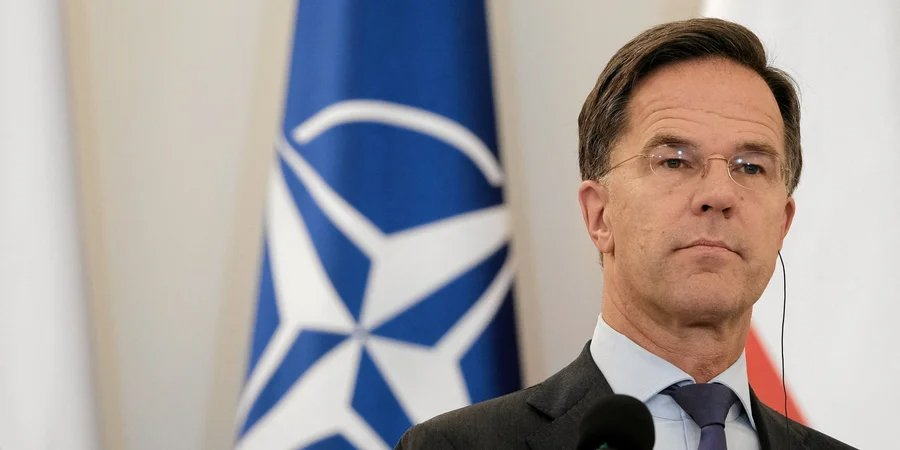
Since World War II, Europe has symbolized democracy, human rights, and the rule of law—principles that have underpinned its stability. However, today’s challenges, including demographic decline, the resurgence of autocratic regimes, and the growing influence of BRICS nations, are testing the EU’s adaptability. Without significant reforms, Europe risks losing its global influence to more dynamic and ambitious players.
The path forward requires bold leadership, a renewed commitment to innovation, and the removal of bureaucratic barriers that stifle progress. If Europe is to reclaim its role as a global leader, it must foster a culture of competitiveness, risk-taking, and economic dynamism—one that embraces the entrepreneurial spirit rather than regulating it into submission. The EU has the talent, resources, and historical precedent to make this shift, but the question remains: will it act in time to reverse its decline?
The military war may be swinging in our favor, but the information war continues.
Just as an army needs soldiers, so does a free society need its journalists to ensure that people have access to honest, trustworthy voices to understand the world around them.
For the past five years, The New Voice of Ukraine has been working tirelessly to push back against Russian narratives and defend democracy. But we cannot do it alone.
Please consider supporting us on Patreon for just $5 a month – your donation does directly to supporting journalists and ensuring that this front of the infowar says solid and defended.
Thank you.
Follow us on Twitter, Facebook and Google News
