

Second wave of fuel crisis hits Russia with long lines and tighter sales limits — NV analysis
 Read NV on Google
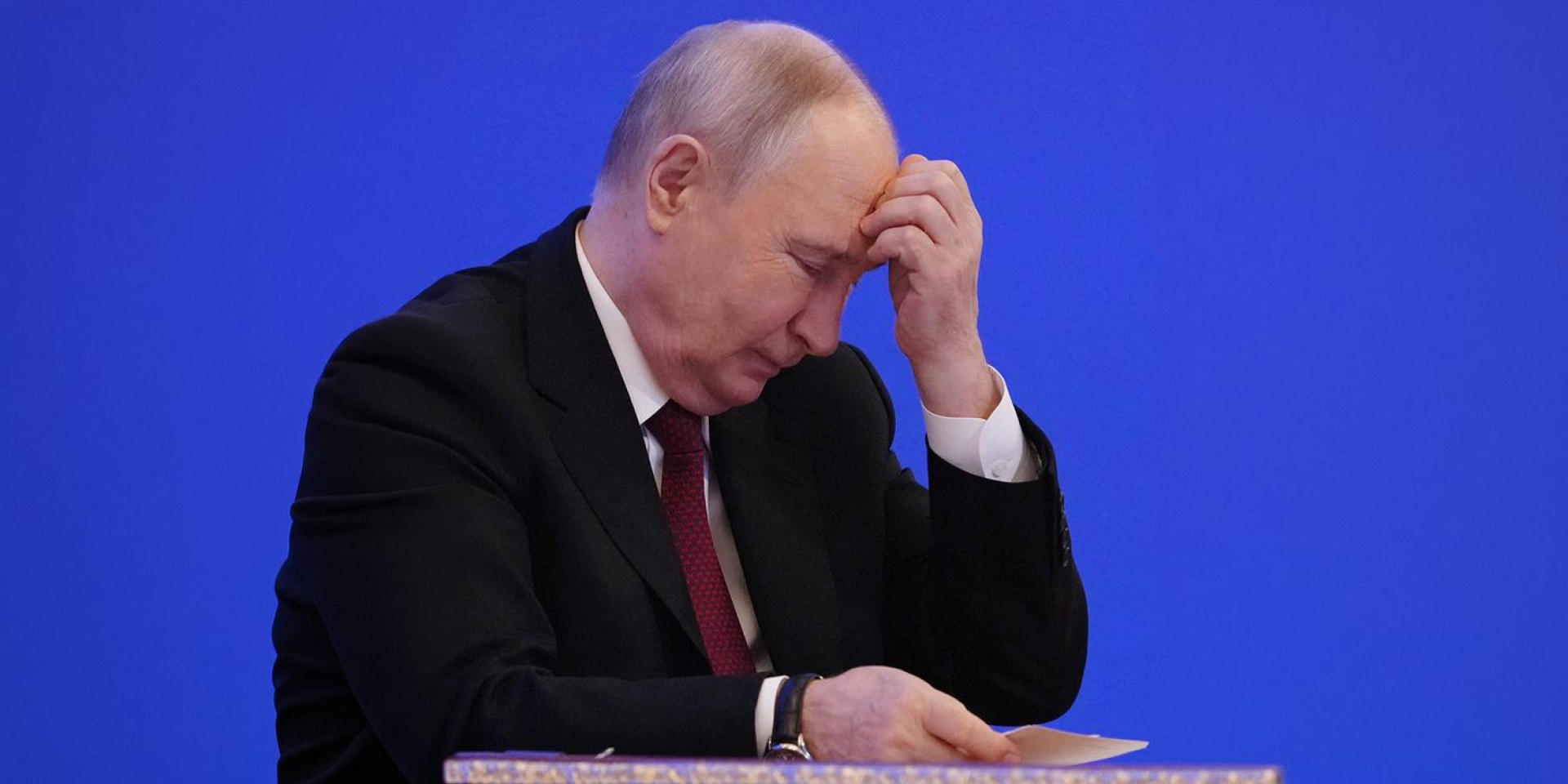
Russian dictator calls fuel shortage ‘not critical’ as crisis spreads across dozens of regions (Photo: Reuters)
Drawing on Russian sources and Western analysts, NV assessed how effective
and significant Ukraine’s August drone strikes on Russian oil refineries were
and what their long-term impact could be.
In late August, gasoline disappeared in Yakutia, a gold- and
diamond-producing region in northeastern Russia, thousands of kilometers not
only from the Ukrainian border but also beyond the range of Ukraine’s Defense
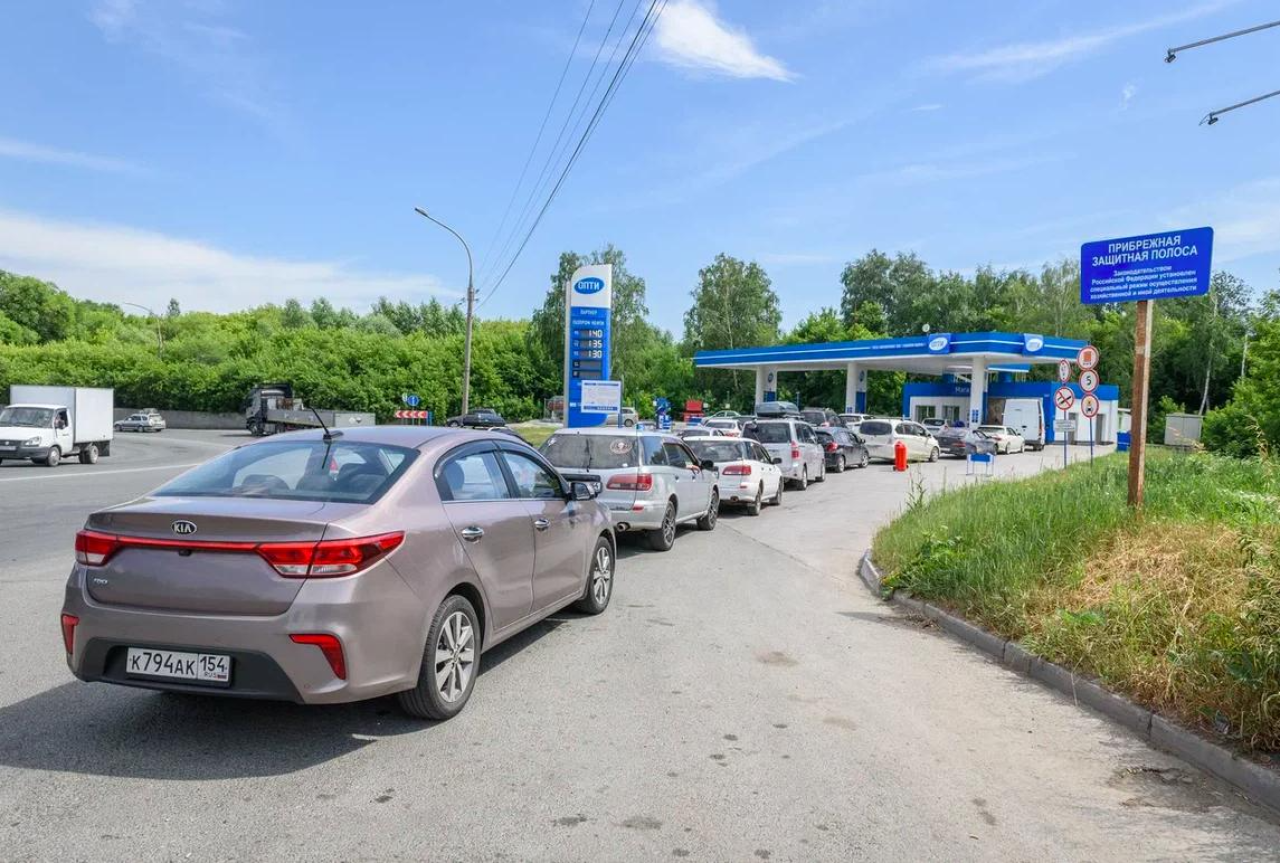
Forces drones. Long lines formed at gas stations across the region, which is
larger than India.
Aysen Nikolayev, head of the vast region, acknowledged the cause of the fuel
crisis: Ukrainian drone attacks on Russian oil refineries. He urged residents
to remain calm and view the difficulties as temporary.
But in Russia, nothing is more permanent than temporary difficulties. After
the fuel crisis in mid-summer and a brief reprieve, problems have returned to
gas stations across the gas-station state.
The Kremlin is trying to “save face,” working hard to prevent fuel lines in
Moscow and St. Petersburg. But that “distorted reality” does not extend to the
regions.
In early September, Russian media outlet Activatica reported that in Tyumen,
the center of a region that accounts for more than half of Russia’s oil production
and about 90% of its gas output, gasoline lines begin forming at 5 a.m. Farther
west, in Perm, local Telegram channels estimate the lines stretch “six
kilometers or more.” On the Volga, in Nizhny Novgorod, even public transit
vehicles are lining up at the pumps.
By the end of August, Russian gasoline production was covering about 70% of
domestic consumption, Reuters reported, citing two industry sources. Output
averaged about 90,000 metric tons per day over the month, compared with
estimated summer demand of 115,000 tons.
Meduza, an independent Russian outlet in exile, analyzed about 500,000
crowdsourced reports from the GdeBENZ service and found that, among a sample of
2,176 gas stations, the share where gasoline was available without a line fell from
46% in late July to 32% in mid-August.
Bloomberg’s calculations help explain the shortage: Ukraine struck Russian
refineries at least 21 times in August alone, the highest number in any single
month of the full-scale war. Russian oil refining fell to just over 3.8 million
barrels per day, the lowest level in two decades, according to EA Analytics.
Limits of 20–30 liters, sales based on odd- and even-numbered license plates
and, in some places, requirements to show vehicle registration documents have
become commonplace across dozens of Russian regions. The wholesale price of
AI-95 gasoline on Russia’s exchange reached a record 82,380 rubles, or about
$950, per metric ton, while the average retail price peaked at 74.55 rubles, or
$0.86, per liter on Aug. 24, according to GlobalPetrolPrices. In some regions,
prices were well above 100 rubles per liter.
“I simply urge everyone who has encountered a situation where there is no
gasoline to decide: Do you believe Rosstat, do you believe the sources relied
on by armchair academics, or do you believe what you see outside your window?”
Russian independent economic analyst Vyacheslav Shiryaev told his compatriots.
What burned
Ukrainian drones typically target several key units at Russian refineries —
atmospheric distillation and hydrocracking units. Shiryaev compares a refinery
with a port: A port has no single node whose destruction can paralyze the
entire operation, while a refinery does, and losing it can shut the plant down
for months.
In August, Ukraine’s Defense Forces struck some of Russia’s largest
refineries. State-owned Rosneft’s Ryazan refinery lost two of its three primary
distillation units. The Kstovo refinery, Russia’s second-largest gasoline
producer and owned by Lukoil, shut down for the fifth time in less than five
months. The Volgograd, Novokuibyshevsk, Saratov and Perm refineries stopped
operations entirely.
The most significant blow to Russian refining came on Aug. 30, when
Surgutneftegas’ Kirishi refinery in Leningrad Oblast completely halted processing
after a drone attack. The plant is Russia’s second-largest refinery by capacity
after Omsk, with annual capacity of 20 million metric tons, or 7% of Russia’s
total oil refining. It is the main fuel supplier for St. Petersburg and
northwestern Russia.
Reuters sources said drones damaged two primary distillation units at
Kirishi, while the other two were already offline at the time of the strike.
The plant had already undergone prolonged repairs twice this year, in March and
May, after previous strikes, and was operating at about half capacity in
August.
The Moscow refinery in Kapotnya, which drones struck this summer and which
supplies about 40% of the capital’s gasoline and half its diesel, may not
return to operation before the end of the year, sources said. Orenburg Oblast
Gov. Yevgeny Solntsev publicly announced that the Orsk refinery would be out of
operation for six months.
By Aug. 27, all of Lukoil’s major Russian refineries were simultaneously
offline, Reuters reported. Shiryaev estimates that the company has suffered the
most. He does not predict bankruptcy but considers losses, overdue loans and
restructuring inevitable, along with the risk that a weakened Lukoil could
become a takeover target in a broader redistribution of assets.
Russia cannot repair its refineries fast enough. Sanctions block access to
Western spare parts, forcing operators to strip components from functioning
units to repair damaged ones. As a result, Russia will reach a sustained
shutdown of about a quarter of its refining capacity within 6–12 months,
analyst George Voloshin predicted to The Insider.
The Kremlin has been unable to protect 40 major plants scattered from the
Kuban to Siberia. “Show me even one Pantsir protecting an oil refinery. That’s
it — there are no air defenses left,” Shiryaev said, stressing that Russia does
not have the kind of air defense system Ukraine spent five years building.
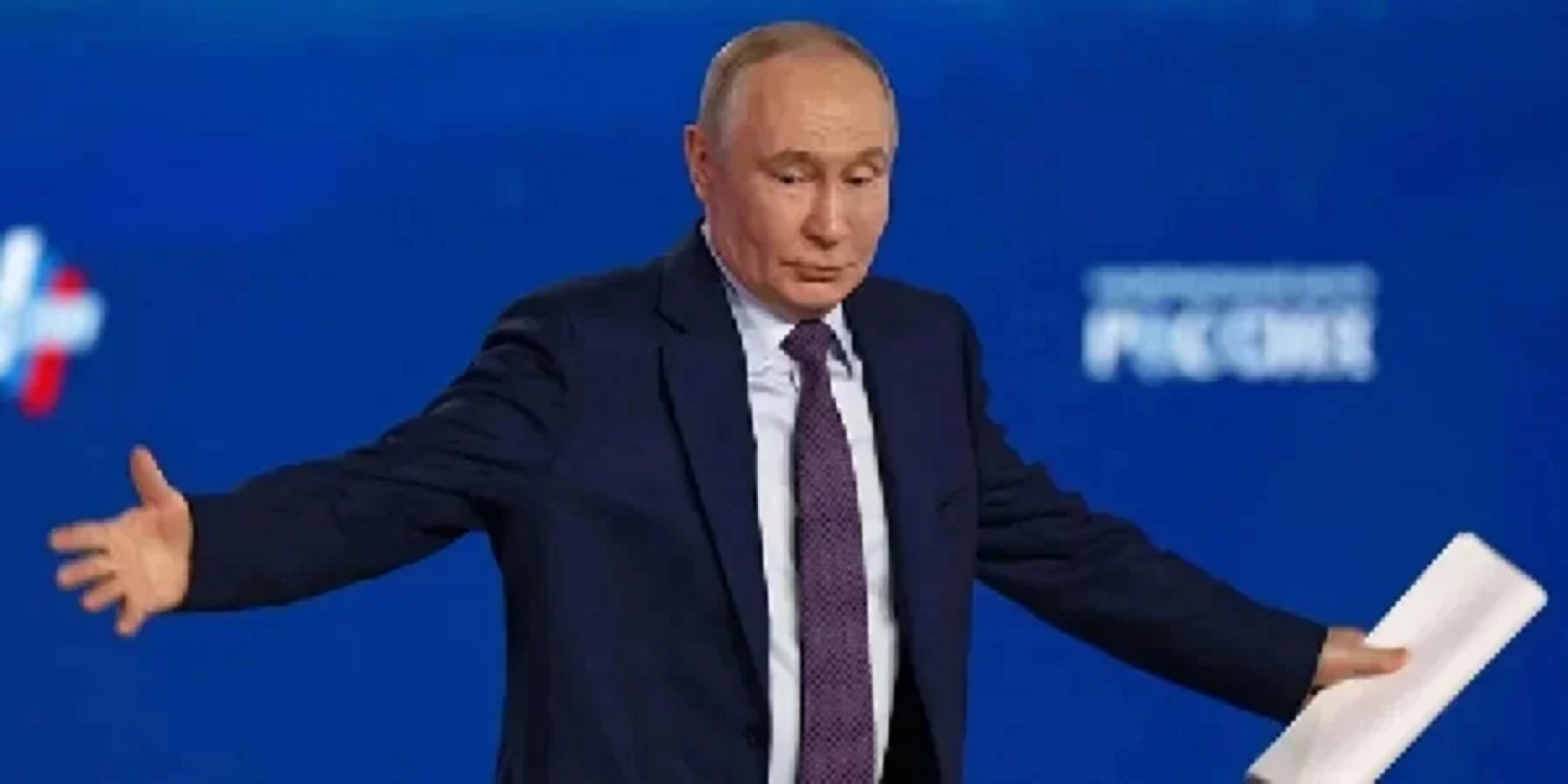
Russian dictator Vladimir Putin, meanwhile, continues to use official
channels to push the message that there is “some shortage,” but that it is not
critical. Russian Deputy Prime Minister Alexander Novak on Aug. 31 simply
ordered tighter price controls at independent gas stations.
Outside television studios, however, Russian authorities are doing something
else. The government has already legalized sales of gasoline below the Euro 5
standard, rolling environmental regulations back 12 years, extended the ban on
diesel exports and required gas stations to list the fuel’s environmental class
directly on receipts.
How severe is the fuel crisis really? Shiryaev maintains a spreadsheet
tracking 40 plants, updating it every two weeks using open-source data and
information from industry contacts. He says only 30–35% of gasoline production
capacity remains, while Russia is producing diesel at about two-thirds of its
own consumption.
His opponent, Sergei Vakulenko, a senior fellow at the Carnegie Russia
Eurasia Center and former head of strategy at Gazprom Neft, estimates refining
losses at 13–17%. His main argument is that if refining had fallen to one-third
of its previous level, about 2.5 million barrels per day would have had to be
exported as crude oil, something reflected neither in tanker flows nor in
traders’ data.
But the two sides are measuring different things: the total nominal capacity
of all damaged facilities, actual refining on a given day and the gasoline
balance in the retail market.
The Kremlin classified official refining statistics in 2023.
What comes next
The cost of the crisis is already weighing on Russia’s budget. The fuel
shock has added 1–1.5 percentage points to annual inflation, the government cut
its 2026 GDP growth forecast from 1.3% to 0.4%, and the federal deficit reached
6.01 trillion rubles, or about $81.4 billion, from January through May as oil
and gas revenues fell 29.8%.
Oil and gas budget revenues totaled 424 billion rubles, or about $4.9
billion, in August, down 16% from a year earlier, according to Russia’s Finance
Ministry. Revenues were lower this year only in January, while oil prices
remain high because of the war in Iran and continue to support earnings. At the
same time, revenues from seaborne petroleum product exports fell 45% month over
month.
Fuel subsidy payments under Russia’s damper mechanism, which compensates oil
companies for the difference between export and domestic prices, totaled 113
billion rubles in July and rose to 197 billion rubles, or about $2.3 billion,
in August. The 84 billion-ruble increase was partly because gasoline importers
now also qualify for the subsidy, while Indian fuel that Russia imports through
ship-to-ship transfers has proved very expensive. In other words, the budget is
paying not only for lost refining capacity but also to ensure that gasoline
bought abroad is sold at Russian prices.
High fuel prices are adding to inflationary pressure. And not only that:
Shiryaev said farmers wrote to him throughout July and August that some depots
had no diesel, while what was available was priced so high that harvesting
became unprofitable.
Alexandra Prokopenko, a fellow at the Carnegie Russia Eurasia Center and
former adviser to Russia’s central bank, believes that when authorities conceal
information about problems, people suspect the situation is far more serious
and rush to stock up.
Authorities have also restricted data on retail fuel prices. Elections to
Russia’s State Duma are scheduled for Sept. 18–20. As The Wall Street Journal
noted, no one considers them free, but even such a vote gives Russians a
platform to quietly express dissatisfaction.
There is therefore no free-market pricing at Russian gas stations now,
Shiryaev said: The Federal Antimonopoly Service, tax authorities and
prosecutors are visiting gas stations, issuing fines and threatening
prosecutions. “Everyone has been ordered to hold prices until the election.
After the election, maybe we’ll see 350 rubles per liter, and much more,” the
expert said.
What happens next will depend primarily on the pace of the strikes. Kpler
analysts warn that repairing critical units will take months, while Rystad
Energy forecasts average refining of about 4 million barrels per day by the end
of the year, nearly 30% below the seasonal norm.
Russia will not run completely out of gasoline, however. Four plants — Yaya,
Surgut ZSK, Angarsk Petrochemical Complex and Amur — are beyond drone range,
while there is also a Belarusian “trickle” and concealed ship-to-ship transfers
from India and Asia.
The military war may be swinging in our favor, but the information war continues.
Just as an army needs soldiers, so does a free society need its journalists to ensure that people have access to honest, trustworthy voices to understand the world around them.
For the past five years, The New Voice of Ukraine has been working tirelessly to push back against Russian narratives and defend democracy. But we cannot do it alone.
Please consider supporting us on Patreon for just $5 a month – your donation does directly to supporting journalists and ensuring that this front of the infowar says solid and defended.
Thank you.
Follow us on Twitter, Facebook and Google News
